Selecting the Perfect Saddle for Your Horse’s Back
As an equestrian enthusiast, ensuring the comfort and well-being of your horse is paramount. One crucial element in this regard is selecting the perfect saddle for your horse’s back. The saddle plays a vital role in ensuring the rider’s comfort and stability while also preventing any discomfort or injury to the horse. With a myriad of options available in the market, choosing the right saddle can be overwhelming. In this article, we will delve into the key factors to consider when selecting a saddle that fits your horse perfectly.
Understanding the Anatomy of Your Horse’s Back
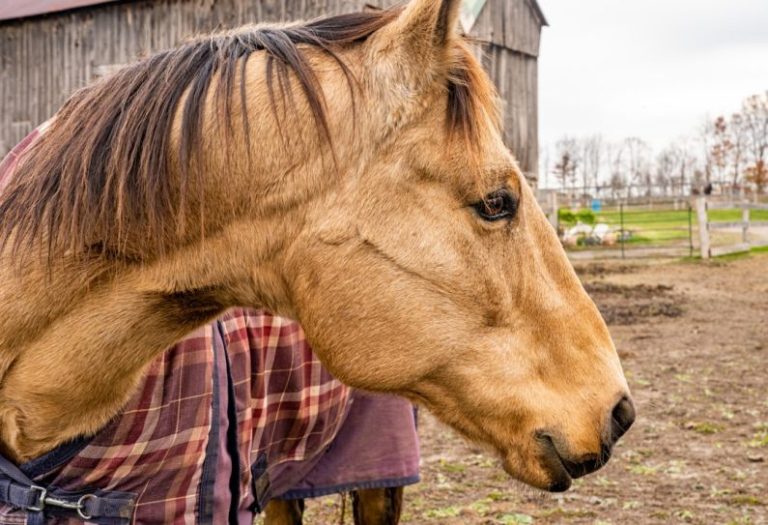
Before delving into the process of selecting a saddle, it is essential to understand the anatomy of your horse’s back. The equine back is a complex structure consisting of muscles, vertebrae, and ligaments that work together to support the rider’s weight and allow for fluid movement. Each horse is unique in terms of its back shape, muscle development, and overall conformation. Therefore, it is crucial to assess your horse’s back thoroughly before choosing a saddle.
Assessing Your Horse’s Back
The first step in selecting the perfect saddle is to assess your horse’s back. Start by observing your horse’s back shape, paying attention to any prominent withers, dips, or asymmetries. Use a flexible measuring tape to determine the length and width of your horse’s back. It is important to note that the saddle should distribute the rider’s weight evenly across the horse’s back without causing any pressure points or restrictions in movement.
Consider the Discipline
The discipline in which you and your horse participate plays a significant role in choosing the right saddle. Different disciplines require specific saddle designs to accommodate the rider’s position and the horse’s movement. For example, a dressage saddle is designed to support a deep seat and long leg position, while a jumping saddle is crafted to allow for a more forward seat and shorter stirrup length. Consider the demands of your chosen discipline when selecting a saddle to ensure optimal performance and comfort for both you and your horse.
Seek Professional Advice
When in doubt, seek professional advice from a qualified saddle fitter or equine veterinarian. These experts have the knowledge and experience to assess your horse’s back accurately and recommend suitable saddle options. A saddle fitter can also make necessary adjustments to ensure a perfect fit for both you and your horse. Investing in a saddle fitting session can prevent potential discomfort or injury to your horse and enhance your riding experience.
Material and Construction
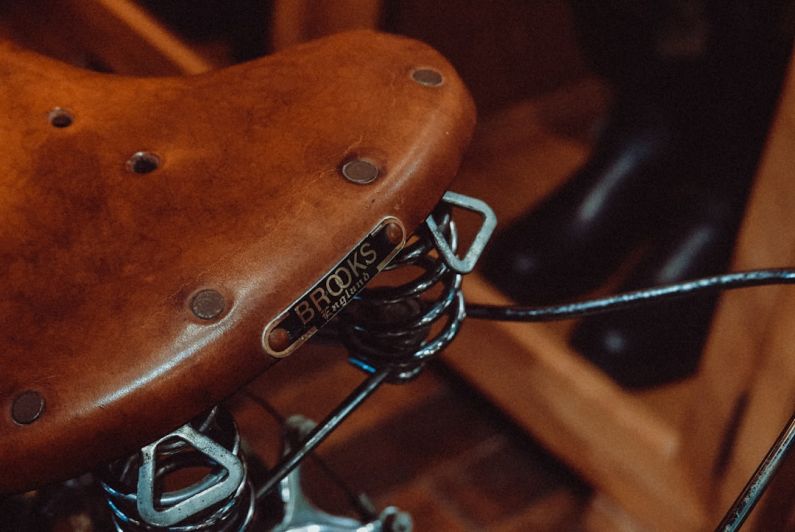
When selecting a saddle, pay attention to the material and construction quality. Opt for a saddle made from high-quality leather or synthetic materials that are durable and comfortable for your horse. Check the stitching, padding, and overall craftsmanship of the saddle to ensure longevity and performance. A well-constructed saddle can provide years of reliable service and comfort for both you and your horse.
Fit and Comfort
The fit and comfort of the saddle are paramount to your horse’s well-being and your riding experience. A properly fitted saddle should sit evenly on your horse’s back without rocking or sliding from side to side. Ensure there is enough clearance at the withers and spine to prevent any pressure points. Check the saddle’s panels and gullet width to ensure they match your horse’s back shape and provide adequate support. Additionally, consider features such as adjustable gullet systems or flocking to customize the fit according to your horse’s changing shape or muscle development.
Maintenance and Care
After selecting the perfect saddle for your horse, it is essential to maintain it regularly to ensure longevity and performance. Clean your saddle after each use to remove dirt, sweat, and debris that can cause wear and tear. Condition the leather to keep it supple and prevent cracking. Store your saddle in a cool, dry place away from direct sunlight to prevent fading or damage. Regular maintenance and care will not only prolong the life of your saddle but also ensure the comfort and well-being of your horse during rides.
In conclusion, selecting the perfect saddle for your horse’s back requires careful consideration of factors such as fit, discipline, material, and construction. By understanding your horse’s anatomy, seeking professional advice, and prioritizing fit and comfort, you can choose a saddle that enhances your riding experience and promotes your horse’s well-being. Remember that a well-fitted saddle is not only a functional tool but also a crucial component in building a strong and harmonious partnership with your equine companion.