Grooming Techniques for a Shiny Coat
A shiny coat is a clear indicator of a healthy and well-cared-for pet. Grooming your furry friend regularly not only keeps their coat looking lustrous but also promotes good overall health. By incorporating the right grooming techniques into your pet care routine, you can help your pet maintain a shiny and beautiful coat that will turn heads wherever you go.
Regular Brushing
Brushing your pet’s coat regularly is key to maintaining a shiny appearance. Not only does brushing help to remove dirt, debris, and loose fur, but it also distributes natural oils throughout the coat, giving it a healthy sheen. The frequency of brushing will depend on your pet’s breed and coat type, but aim to brush at least a few times a week to keep their coat in top condition.
Choose the Right Brush
Selecting the right brush for your pet’s coat is crucial for effective grooming. Different types of brushes are designed for specific coat textures and lengths. For example, slicker brushes are ideal for removing tangles and mats in long-haired breeds, while bristle brushes work well for shorter coats. Consult with your veterinarian or a professional groomer to determine the best brush for your pet’s particular needs.
Bath Time Essentials
Regular baths are essential for keeping your pet’s coat clean and shiny. Use a mild pet shampoo that is specifically formulated for your pet’s coat type to avoid stripping their skin and coat of natural oils. Be sure to rinse thoroughly to prevent any residue that can dull their coat’s luster.
Condition for Shine
Using a pet conditioner after shampooing can help add extra shine to your pet’s coat. Look for a conditioner that is suitable for your pet’s coat type and follow the instructions for application. Conditioning not only adds luster but also helps to detangle and soften the fur, making it easier to brush and maintain.
Trimming and Clipping
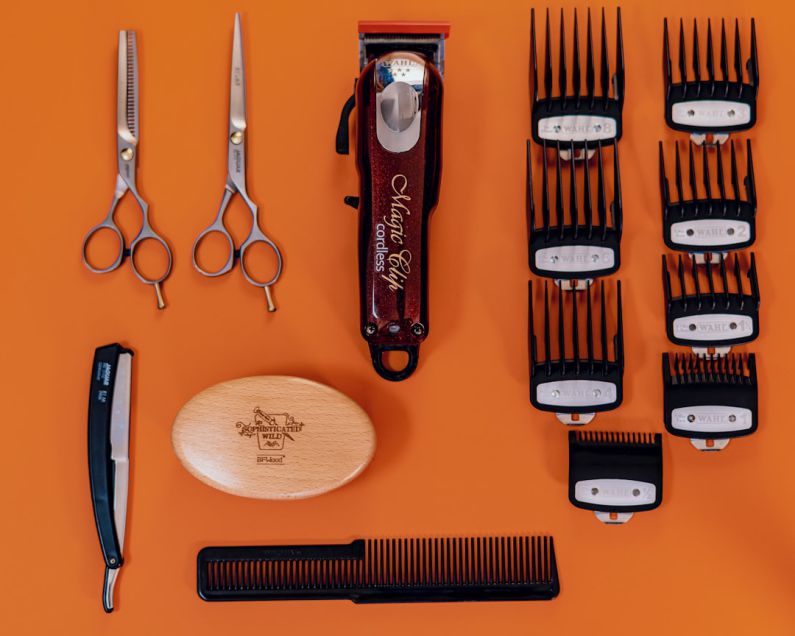
Regular trimming and clipping are essential for keeping your pet’s coat looking neat and healthy. Long hair can easily become matted and tangled, leading to a dull appearance. Trimming the hair around the eyes, ears, paws, and sanitary areas not only improves their overall appearance but also prevents discomfort and hygiene issues.
Diet and Nutrition
A healthy diet plays a significant role in the condition of your pet’s coat. Ensure that your pet is receiving a balanced diet rich in essential nutrients, including omega-3 fatty acids, which are beneficial for skin and coat health. Consult with your veterinarian to determine the best diet for your pet’s specific needs and consider incorporating supplements if necessary.
Regular Vet Checkups
Regular visits to the veterinarian are essential for maintaining your pet’s overall health, including the condition of their coat. Your vet can assess your pet’s skin and coat health, address any underlying issues that may be affecting their coat’s appearance, and provide recommendations for grooming techniques and products that are best suited for your pet.
Environmental Factors
Environmental factors can also impact the condition of your pet’s coat. Exposure to harsh weather conditions, pollutants, and allergens can dull their coat and cause skin issues. Protect your pet from extreme weather, keep them away from harmful chemicals, and provide a clean and safe environment to help maintain a shiny coat.
A Shiny Coat: A Reflection of Care
A shiny coat is more than just a beautiful aesthetic feature—it is a reflection of the care and attention you provide to your pet. By incorporating these grooming techniques into your pet care routine, you can help your furry friend look and feel their best. Remember, a shiny coat not only enhances your pet’s appearance but also signifies their good health and well-being. So, take the time to groom your pet regularly, choose the right products, and make their coat shine bright for years to come.