Preventing Winter Chills: Tips for Horse Blanketing
**Preventing Winter Chills: Tips for Horse Blanketing**
As the winter chill sets in, horse owners must pay careful attention to keeping their equine companions warm and comfortable. One of the most effective ways to protect horses from the cold is through the use of proper blanketing. By selecting the right blanket and following some key guidelines, you can ensure that your horse stays cozy and healthy throughout the winter months.
**Choosing the Right Blanket**
When it comes to selecting a blanket for your horse, it’s important to consider factors such as the horse’s age, health, and living conditions. Blankets come in various weights and materials, so you’ll need to choose one that provides the appropriate level of insulation without causing overheating. For horses that spend a lot of time outdoors or have a naturally thin coat, a heavier blanket may be necessary to keep them warm. On the other hand, horses that are kept in a heated barn may only require a lighter blanket for added comfort.
**Proper Fit is Key**
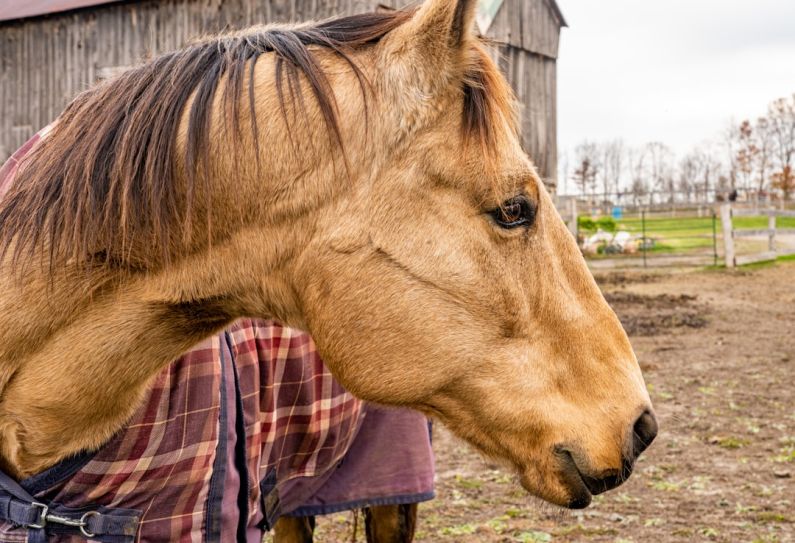
Ensuring that the blanket fits your horse properly is essential for both comfort and effectiveness. A blanket that is too tight can restrict movement and cause discomfort, while a loose blanket may rub and create sore spots. To determine the right size, measure your horse from the center of the chest to the tail and refer to the manufacturer’s sizing guide. Pay attention to the fit around the neck, shoulders, and hindquarters to prevent chafing and ensure that the blanket stays in place.
**Layering for Versatility**
In regions where temperatures fluctuate frequently, layering blankets can provide added versatility. By using a lighter blanket underneath a heavier one, you can easily adjust the level of insulation based on the weather conditions. This approach allows you to keep your horse comfortable without needing to constantly change blankets throughout the day. Just be sure to monitor your horse regularly to ensure that they are not too warm or too cold.
**Regular Maintenance**
Proper care and maintenance of your horse’s blankets are essential to ensure their longevity and effectiveness. Regularly check for any tears, loose straps, or signs of wear and tear that may compromise the blanket’s insulation. Washing your horse’s blankets according to the manufacturer’s instructions will help keep them clean and free of dirt and debris that can affect their warmth-retaining properties. Additionally, storing blankets in a dry, well-ventilated area when not in use will prevent mold and mildew from forming.
**Monitoring Your Horse**
While blanketing can help protect your horse from the cold, it’s important to monitor them regularly to ensure that they are comfortable and healthy. Check for signs of overheating, such as sweating or restlessness, and adjust their blankets accordingly. Similarly, shivering, lethargy, or a hunched posture can indicate that your horse is too cold and may need an additional layer of insulation. By paying attention to your horse’s behavior and body condition, you can make the necessary adjustments to keep them warm and content.
**Conclusion: Keeping Your Horse Cozy**
In conclusion, proper blanketing is an essential aspect of winter horse care that can help prevent discomfort and health issues caused by the cold. By choosing the right blanket, ensuring a proper fit, layering for versatility, and maintaining your blankets regularly, you can provide your horse with the warmth and protection they need during the winter months. Remember to monitor your horse’s condition closely and make adjustments as needed to keep them cozy and happy throughout the season.