
Summer Care: Protecting Your Horse from Heat
As the summer heat intensifies, it becomes essential for horse owners to take proactive measures in ensuring the well-being of their equine companions. High temperatures, coupled with humidity, can pose serious health risks to horses, making it crucial to implement effective strategies to protect them from the heat. From proper hydration to shelter and grooming practices, here are some valuable tips to safeguard your horse during the sweltering summer months.
Hydration is Key
Ensuring that your horse stays adequately hydrated is paramount during the summer. Just like humans, horses can become dehydrated quickly in hot weather, leading to serious health issues. Provide your horse with access to clean, fresh water at all times. Consider adding electrolytes to their water or feed to help replenish essential minerals lost through sweating. Monitor your horse’s water intake closely, and if you notice any signs of dehydration, such as dark urine or lethargy, consult your veterinarian immediately.
Shade and Shelter
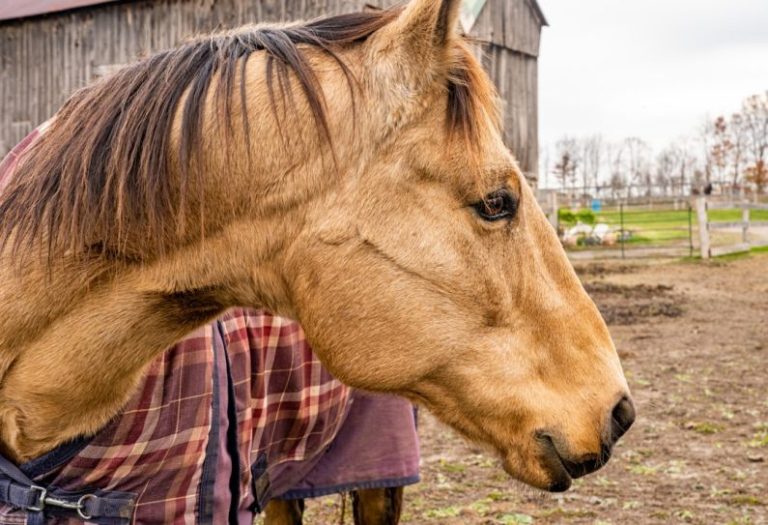
Offering your horse adequate shade and shelter from the sun is crucial in preventing heat-related illnesses. If your horse spends a significant amount of time outdoors, ensure there are trees or shelters available where they can seek refuge from the sun’s rays. Consider installing shade sails or temporary shelters in paddocks or pastures to provide additional protection. During peak sunlight hours, it’s best to keep your horse in a shaded area to prevent overheating.
Proper Grooming
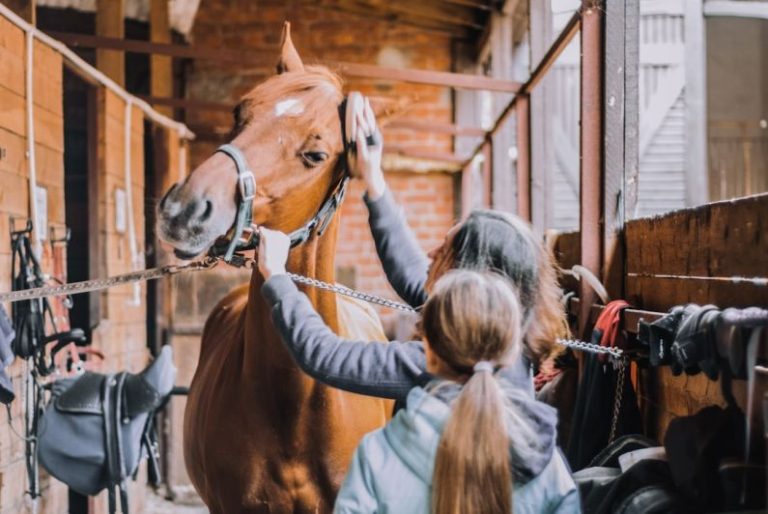
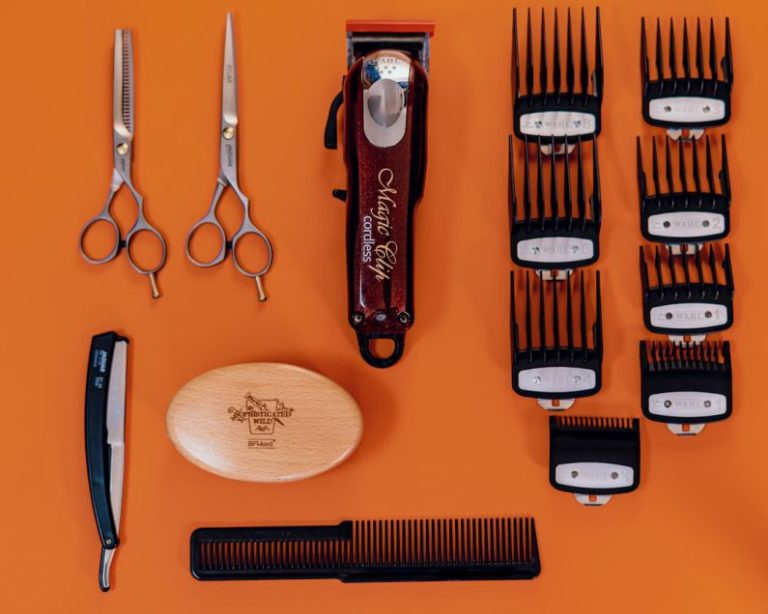
Regular grooming not only keeps your horse looking neat and tidy but also plays a vital role in helping them stay cool during the summer. Removing excess dirt, sweat, and hair can improve airflow to their skin, allowing for better heat dissipation. Consider giving your horse a bath with cool water to help lower their body temperature. Be sure to dry them thoroughly to prevent heat retention. Additionally, consider trimming their mane and tail to help them stay cooler in the summer heat.
Exercise Caution
While it’s essential to keep your horse active and engaged, it’s crucial to exercise caution when riding or working them during hot weather. Avoid strenuous activities during the hottest parts of the day and opt for early morning or late evening sessions when temperatures are lower. Pay close attention to your horse’s behavior during exercise and watch for signs of overheating, such as excessive sweating, rapid breathing, or reluctance to move. If you notice any concerning symptoms, stop the activity immediately and allow your horse to cool down.
Proper Ventilation
Proper ventilation in your horse’s living environment is essential for their comfort and well-being during hot weather. Ensure that their stalls or barns have adequate airflow to prevent heat buildup. Consider using fans or opening windows to improve air circulation. If possible, provide access to turnout areas where they can enjoy a breeze and fresh air. Proper ventilation not only helps keep your horse cool but also reduces the risk of respiratory issues associated with poor air quality.
A Final Word on Summer Care
In conclusion, protecting your horse from the summer heat requires a combination of proactive measures and thoughtful care. By prioritizing hydration, shade, grooming, exercise caution, and proper ventilation, you can help your horse stay comfortable and healthy during the hottest months of the year. Remember to monitor your horse closely for any signs of distress and consult your veterinarian if you have any concerns about their well-being. With the right approach to summer care, you can ensure that your horse stays happy and thriving even in the midst of sweltering temperatures.