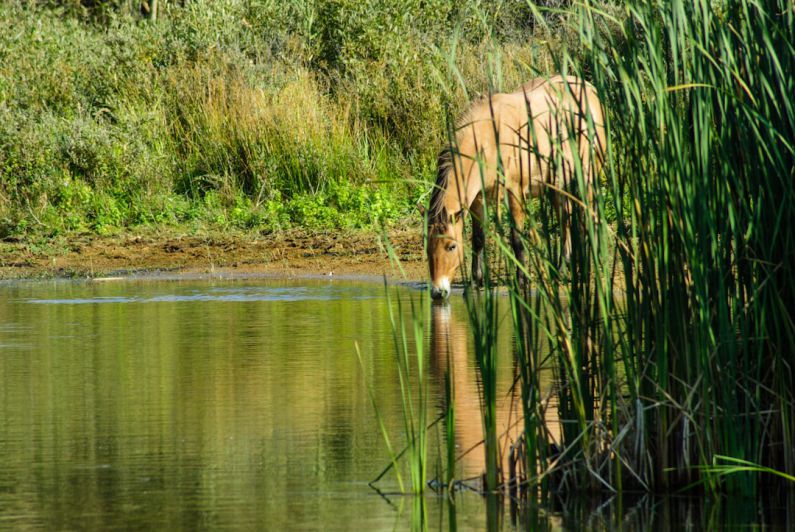
Watering Your Horse: Guidelines and Tips
Keeping your horse properly hydrated is essential for its overall health and well-being. Proper hydration is vital for the functioning of various bodily processes and can significantly impact your horse’s performance and overall condition. In this article, we will discuss guidelines and tips for watering your horse to ensure it stays healthy and happy.
Understanding Your Horse’s Water Needs
Horses require a significant amount of water to maintain their health and well-being. On average, a horse should consume about 5 to 10 gallons of water per day, depending on its size, activity level, and environmental conditions. It is essential to provide clean, fresh water at all times to ensure that your horse stays adequately hydrated.
Monitoring Hydration Levels
Monitoring your horse’s hydration levels is crucial to ensure that it is getting enough water. You can check your horse’s hydration status by observing its overall demeanor and behavior. Signs of dehydration in horses include lethargy, sunken eyes, dry mucous membranes, and a decrease in skin elasticity. If you notice any of these signs, it may indicate that your horse is not drinking enough water.
Watering Guidelines
When it comes to watering your horse, there are a few essential guidelines to keep in mind:
1. Always provide access to clean, fresh water: Make sure your horse has access to clean, fresh water at all times. Clean water buckets and troughs regularly to prevent the growth of algae and bacteria.
2. Monitor water temperature: Horses prefer to drink water that is between 45 to 65 degrees Fahrenheit. In hot weather, consider adding ice to the water or providing access to shaded areas to encourage your horse to drink.
3. Offer electrolytes when necessary: During hot weather or periods of increased activity, your horse may lose electrolytes through sweat. Consider supplementing with electrolytes to help maintain proper hydration levels.
4. Consider automatic waterers: Automatic waterers can be a convenient way to ensure that your horse always has access to water, especially if you are unable to check on them regularly throughout the day.
Tips for Encouraging Hydration
Encouraging your horse to drink an adequate amount of water is essential for its health. Here are some tips to help promote hydration:
– Soaking hay: Soaking hay in water can increase your horse’s water intake and provide additional hydration, especially for horses that are picky drinkers.
– Salt blocks: Providing access to salt blocks can encourage your horse to drink more water, as salt stimulates thirst.
– Wetting feed: Adding water to your horse’s feed can help increase its water intake, especially for horses that are reluctant drinkers.
– Regular monitoring: Keep an eye on your horse’s water intake and hydration levels, especially during hot weather or increased activity.
Ensuring Proper Hydration for Optimal Health
Proper hydration is essential for your horse’s overall health and well-being. By following the guidelines and tips outlined in this article, you can ensure that your horse stays adequately hydrated and healthy. Remember to monitor your horse’s hydration levels regularly and make adjustments as needed to promote optimal hydration. By taking the necessary steps to keep your horse properly hydrated, you can help ensure that it remains happy, healthy, and thriving.