The Impact of Seasonal Changes on Horse Health
Horses, magnificent creatures that they are, require special care and attention to ensure their health and well-being. One crucial aspect that horse owners must consider is the impact of seasonal changes on their beloved animals. From the scorching heat of summer to the biting cold of winter, each season brings its own set of challenges that can affect the health of horses in various ways.
**Summer: Managing Heat Stress**
During the sweltering summer months, horses are particularly vulnerable to heat stress. High temperatures, combined with humidity, can lead to dehydration, heat exhaustion, and even heatstroke in horses. To help prevent these issues, it is essential to provide ample access to fresh, clean water at all times. Additionally, ensuring that horses have access to shade and proper ventilation can help them regulate their body temperature more effectively.
**Fly Control: A Summer Necessity**
Summer also brings an influx of flies and other pesky insects that can irritate horses and potentially transmit diseases. Implementing a comprehensive fly control program is crucial during this time of year. This may involve using fly sprays, fly masks, and keeping manure cleaned up regularly to reduce fly breeding grounds. Protecting horses from insect bites not only keeps them comfortable but also helps prevent diseases such as sweet itch and equine infectious anemia.
**Fall: Nutritional Considerations**
As the temperatures start to drop in the fall, horse owners must pay close attention to their animals’ nutritional needs. Pastures may become depleted, so supplementing with hay or grain may be necessary to ensure horses are receiving adequate nutrients. Fall is also a good time to assess horses’ body condition and make any necessary adjustments to their diet to help them maintain a healthy weight through the winter.
**Winter: Managing Cold Weather Challenges**
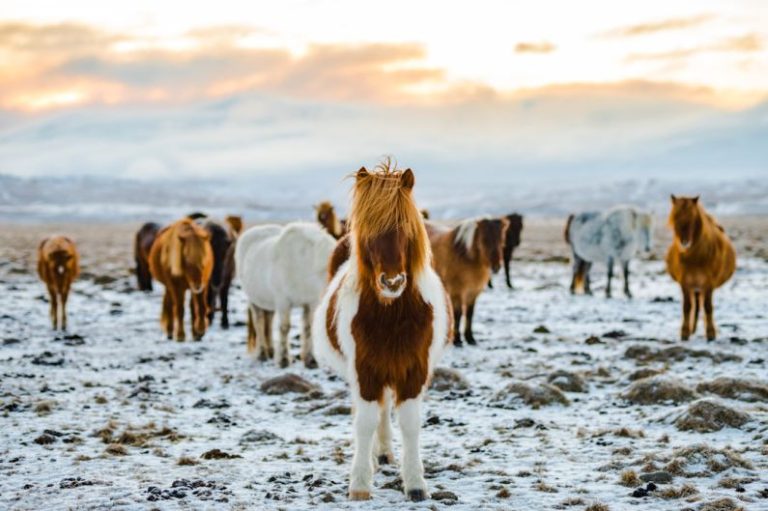
Winter presents its own set of challenges for horse owners. Cold temperatures, snow, and ice can make it difficult for horses to regulate their body temperature. Providing shelter from the elements, such as a well-insulated barn or a sturdy run-in shed, is essential to help horses stay warm and dry. Additionally, ensuring horses have access to unfrozen water and plenty of high-quality forage can help them maintain their energy levels during the colder months.
**Hoof Care in Winter**
Winter weather can also take a toll on horses’ hooves. Snow and ice can cause hooves to become dry and brittle, increasing the risk of cracks and other issues. Regular hoof care, including trimming and moisturizing, can help prevent these problems and keep horses’ hooves healthy throughout the winter.
**Spring: Dealing with Mud and Moisture**
As the snow melts and spring arrives, horse owners may face new challenges related to mud and moisture. Wet conditions can lead to issues such as thrush, a bacterial infection of the hoof, as well as skin conditions like rain rot. To combat these problems, it’s essential to provide proper drainage in pastures and paddocks and to keep horses’ living areas as dry as possible. Regular grooming and hoof care can also help prevent issues caused by excess moisture.
**In Conclusion: Ensuring Year-Round Health**
Throughout the changing seasons, it is crucial for horse owners to remain vigilant and proactive in caring for their animals. By understanding the unique challenges that each season brings and taking steps to address them, horse owners can help ensure their horses stay healthy and happy year-round. From managing heat stress in the summer to combating mud and moisture in the spring, staying attuned to the impact of seasonal changes on horse health is key to providing the best possible care for these magnificent creatures.