
Common Equine Diseases and How to Prevent Them
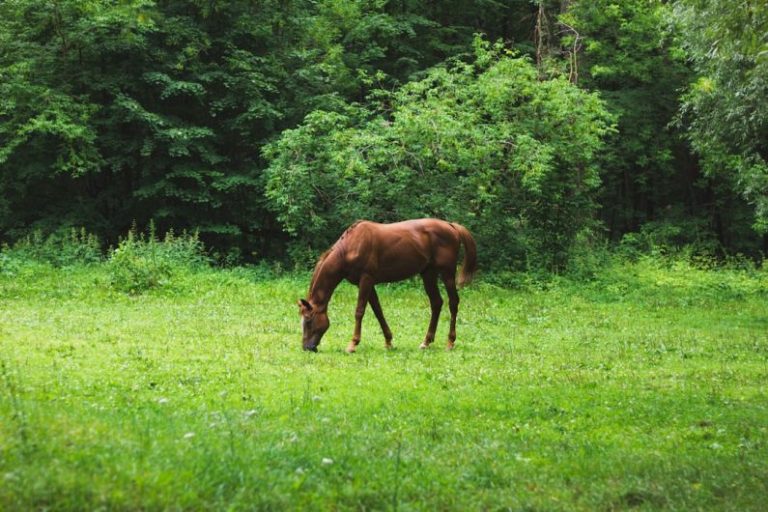
Equine health is paramount for horse owners and caretakers alike. As much as we adore these majestic creatures, they are prone to various diseases that can affect their overall well-being. Understanding common equine diseases and how to prevent them is crucial in maintaining the health and happiness of our beloved horses.
Equine Influenza
Equine influenza is a highly contagious respiratory disease that commonly affects horses. Symptoms include fever, coughing, nasal discharge, and lethargy. To prevent the spread of equine influenza, vaccination is key. Regular vaccinations can help protect horses from contracting the virus and reduce the risk of outbreaks in barns or equestrian facilities.
Equine West Nile Virus
West Nile Virus is a potentially serious disease transmitted by mosquitoes that can affect horses. Symptoms may include fever, weakness, loss of coordination, and paralysis. Prevention measures for equine West Nile Virus include reducing mosquito breeding grounds, using insect repellents, and vaccinating horses against the virus.
Equine Strangles
Strangles is a highly contagious bacterial infection that affects the respiratory system of horses. Common symptoms of strangles include fever, nasal discharge, and swelling of the lymph nodes in the throat area. Preventing strangles involves practicing good biosecurity measures, such as isolating sick horses, disinfecting equipment, and avoiding contact with infected animals.
Equine Colic
Colic is a general term used to describe abdominal pain in horses and can be caused by various factors, including diet changes, parasites, and stress. Symptoms of colic may include restlessness, pawing at the ground, rolling, and decreased appetite. Preventing colic in horses involves providing a consistent diet, maintaining a regular deworming schedule, and ensuring access to clean water at all times.
Equine Laminitis
Laminitis is a painful condition that affects the hoof tissues of horses and can lead to lameness if left untreated. Contributing factors to laminitis include obesity, overeating, and certain metabolic conditions. Preventing laminitis requires proper hoof care, maintaining a healthy weight for the horse, and monitoring their diet to prevent overconsumption of carbohydrates.
Equine Skin Conditions
Skin conditions such as rain rot, ringworm, and sweet itch are common among horses and can cause discomfort and irritation. Preventing skin conditions in horses involves regular grooming, providing a clean and dry living environment, and addressing any underlying health issues that may contribute to skin problems.
Equine Eye Infections
Eye infections in horses can be caused by bacteria, viruses, or foreign objects that irritate the eye. Symptoms of eye infections may include redness, discharge, squinting, and sensitivity to light. Preventing eye infections in horses requires keeping the eyes clean and free from debris, promptly addressing any signs of irritation or infection, and seeking veterinary care if necessary.
Equine Parasites
Parasites such as worms can pose a threat to the health of horses if left untreated. Common types of equine parasites include strongyles, roundworms, and tapeworms. Preventing parasite infestations in horses involves implementing a regular deworming schedule, practicing good manure management, and conducting fecal egg counts to monitor parasite levels.
Equine Joint Disease
Joint disease, such as arthritis, can affect horses of all ages and breeds, leading to stiffness, lameness, and decreased mobility. Preventing joint disease in horses includes providing proper nutrition, regular exercise, and maintaining a healthy weight to reduce strain on the joints. Additionally, using joint supplements and incorporating joint-friendly exercises can help support joint health in horses.
Equine Dental Issues
Dental problems, such as overgrown teeth, sharp points, and dental decay, can impact a horse’s ability to eat comfortably and affect their overall health. Preventing dental issues in horses involves scheduling regular dental check-ups with a qualified equine dentist, providing a diet that promotes good dental health, and addressing any dental abnormalities promptly to prevent complications.
Equine Vaccination Schedule
Maintaining a proper vaccination schedule is essential in preventing many common equine diseases. Consult with your veterinarian to develop a vaccination protocol tailored to your horse’s specific needs based on factors such as age, health status, and exposure risk. Keeping accurate records of vaccinations and booster shots will help ensure that your horse remains protected against preventable diseases.
Equine Disease Prevention Tips
In addition to vaccination and regular veterinary care, there are several general tips to help prevent the spread of diseases among horses. These include practicing good biosecurity measures, such as quarantining new arrivals, disinfecting shared equipment, and limiting contact with sick horses. Maintaining a clean and hygienic environment, providing a balanced diet, and monitoring your horse’s health regularly can also contribute to disease prevention.
Equine Health and Well-being
Overall, staying informed about common equine diseases and taking proactive measures to prevent them are essential components of responsible horse ownership. By prioritizing your horse’s health and well-being, you can help ensure a long and happy life for your equine companion. Remember to work closely with your veterinarian to develop a comprehensive health care plan that addresses your horse’s individual needs and minimizes the risk of disease. By being proactive and attentive to your horse’s health, you can enjoy many years of companionship and partnership with your beloved equine friend.