Training Techniques

  • The Art of Lunging: Training Circles

    Lunging is a fundamental training technique that is essential for conditioning and schooling horses. When done correctly, lunging can be a highly effective tool in developing a horse’s balance, flexibility, and obedience. Training circles are a key aspect of lunging that can help improve a horse’s physical and mental well-being. By understanding the art of…

  • Developing a Soft Hand: Communication through Reins

    Communication is a key component of any successful relationship, and this holds true even in the partnership between a horse and rider. When it comes to horsemanship, the way a rider handles the reins can make a world of difference in how effectively they communicate with their equine companion. Developing a soft hand in handling…

  • Understanding and Correcting Behavioral Issues

    Behavioral issues can manifest in various forms and can be a source of frustration and concern for individuals and their loved ones. Understanding the root causes of these issues is crucial in order to effectively address and correct them. By delving into the underlying factors that contribute to behavioral problems, we can develop strategies to…

  • Perfecting the Walk-trot Transition

    Enhancing the Walk-Trot Transition for a Seamless Ride Achieving a smooth and seamless walk-trot transition is essential for any rider looking to improve their overall performance and communication with their horse. The transition between these two gaits can often be a challenging aspect to master, requiring both skill and finesse from the rider. By focusing…

  • Training Tips for Young Horses

    Training young horses can be both exciting and challenging for equestrians. The early stages of a horse’s training are crucial in shaping their future behavior and performance. By following some key tips and techniques, you can set your young horse up for success in their training journey. Understanding the Basics Before diving into training, it’s…

  • Starting Your Horse: the Basics of Groundwork

    Building a strong foundation with your horse is essential for a successful partnership. Groundwork is a fundamental aspect of horse training that establishes trust, respect, and communication between you and your equine companion. By focusing on groundwork, you can lay the groundwork for a positive and cooperative relationship with your horse. Here, we will explore…

  • Dressage Fundamentals for Novices

    Dressage, often described as the art of horse training, is a discipline that emphasizes harmony, precision, and elegance between horse and rider. While it may seem intimidating to newcomers, mastering the fundamentals of dressage can be both rewarding and enjoyable. Whether you are a beginner rider or have some experience in other equestrian disciplines, understanding…

  • From Ground to Saddle: Preparing for Mounted Work

    Embarking on the journey of mounted work with horses can be an exhilarating experience for both seasoned equestrians and beginners alike. However, before you can hit the trails or enter the show ring, there are essential steps to take in preparing both yourself and your equine partner for this exciting venture. From building a strong…

  • Jump Training Basics for Beginners

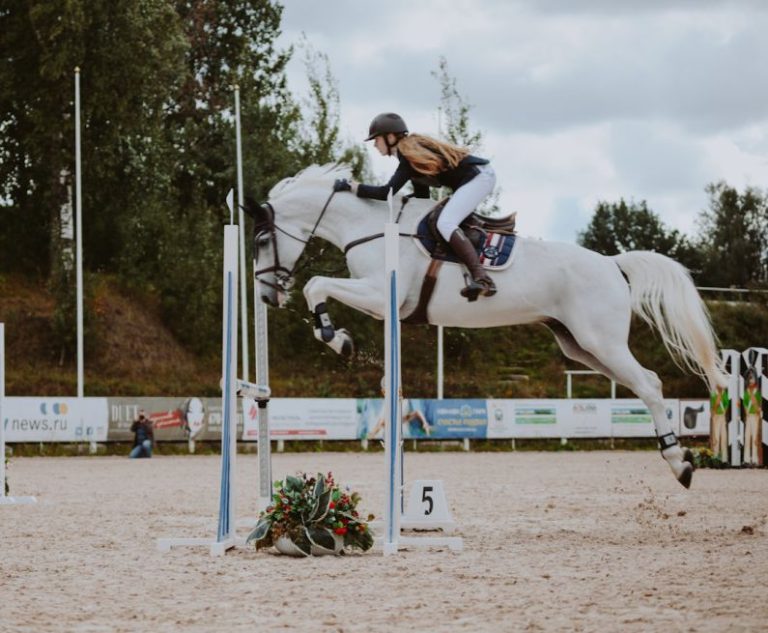
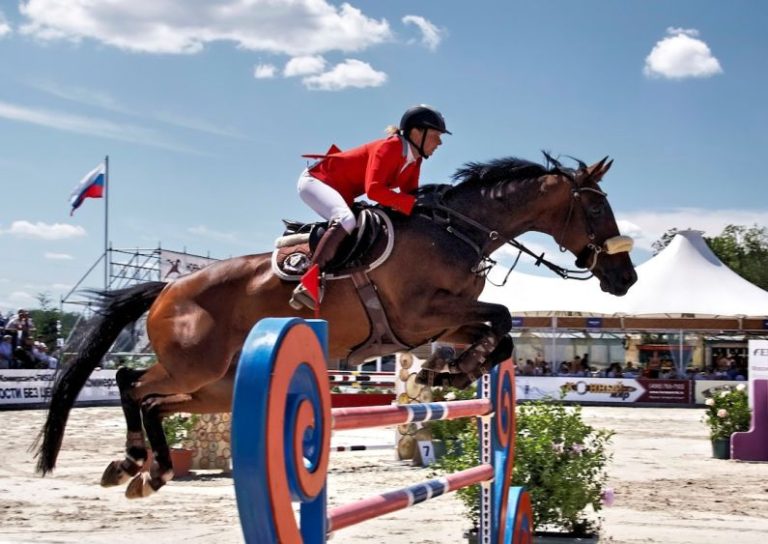
    Are you looking to improve your athleticism, explosiveness, and overall fitness level? Jump training, also known as plyometric training, could be the answer you’re seeking. This dynamic form of exercise involves explosive movements that can help you enhance your strength, power, and agility. Whether you’re a beginner or an experienced athlete, incorporating jump training into…

  • Creative Training Techniques for Engaged Learning

    Engaged learning is a crucial aspect of any training program, as it ensures that participants are actively involved and fully invested in the content being presented. To truly capture the attention of learners and facilitate a deeper understanding of the material, it is essential to employ creative training techniques that go beyond traditional methods. By…

  • The Importance of Consistency in Horse Training

    Horse training requires patience, skill, and most importantly, consistency. Whether you are breaking in a young horse, teaching new skills, or refining existing ones, consistency is key to successful training outcomes. In the world of horse training, consistency is not just a helpful tool, it is a fundamental principle that shapes the relationship between horse…

  • Enhancing Rider-horse Communication

    Riding horses is a beautiful and dynamic activity that requires a strong bond and effective communication between the rider and the horse. Enhancing rider-horse communication is essential for achieving harmony, precision, and understanding in every ride. By improving communication skills, riders can establish a deeper connection with their horses, leading to better performance, trust, and…

  • Achieving Balance and Harmony between Horse and Rider

    Building a Strong Connection: Achieving Balance and Harmony between Horse and Rider Establishing a deep connection between a horse and its rider is a journey that requires patience, dedication, and mutual understanding. Achieving balance and harmony in this partnership is essential not only for the success of both the rider and the horse but also…

  • Building Trust: the Key to Successful Horse Training

    Horse training is an art that requires patience, skill, and above all, trust. Establishing a strong bond of trust between a horse and its trainer is crucial for successful training outcomes. Without trust, communication breaks down, and progress becomes difficult to achieve. In this article, we will explore the importance of building trust in horse…

  • Incorporating Obstacles for Advanced Training

    Pushing the Limits: Incorporating Obstacles for Advanced Training In the realm of fitness and athletic training, the pursuit of excellence and constant improvement is a never-ending journey. One effective method that has gained popularity among advanced athletes and fitness enthusiasts is incorporating obstacles into their training routines. By introducing challenges and hurdles, individuals can elevate…