
Tailoring Nutrition for Aging Horses
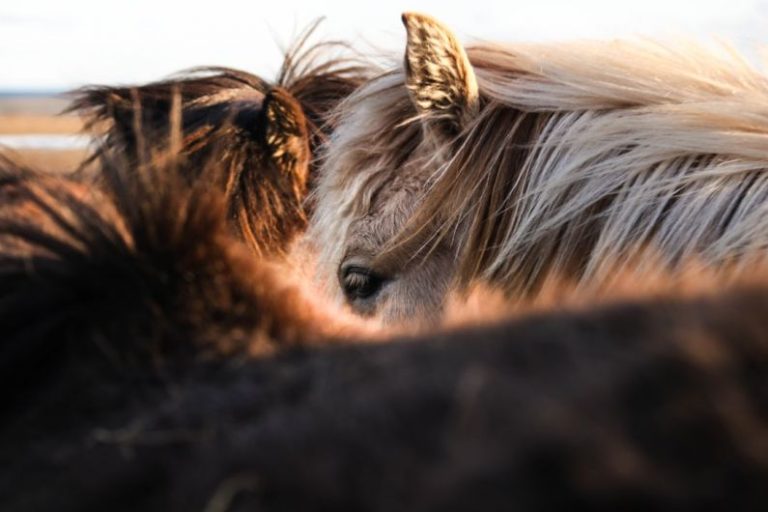
As horses age, their nutritional needs evolve, requiring specific attention to ensure their health and well-being. Tailoring nutrition for aging horses is crucial to support their changing physiology and help them maintain optimal condition. By understanding the unique requirements of senior equines and making appropriate adjustments to their diets, horse owners can help their aging companions thrive in their later years.
Understanding the Aging Process
As horses age, they experience a range of physical changes that can impact their nutritional requirements. Older horses may have decreased digestive efficiency, reduced nutrient absorption, and dental issues that affect their ability to chew and digest food properly. Additionally, senior horses may have a slower metabolism and decreased muscle mass, making it essential to provide them with a diet that meets their changing needs.
Key Nutritional Considerations
Protein: Protein is essential for maintaining muscle mass, immune function, and overall health in aging horses. While older horses may not need as much protein as younger horses in training, ensuring they receive adequate amounts of high-quality protein is important to support their body’s repair and maintenance processes.
Fiber: High-fiber forage, such as hay and pasture, is a crucial component of an aging horse’s diet. Fiber helps promote healthy digestion, prevents colic and other digestive issues, and supports proper gut function. Ensuring that senior horses have access to quality forage throughout the day is essential for their overall well-being.
Energy: Older horses may require more easily digestible sources of energy to maintain their body condition and energy levels. Feeding senior horses a balanced diet that provides sufficient calories from sources such as grains, fats, and oils can help meet their energy needs without overloading them with unnecessary carbohydrates.
Vitamins and Minerals: Aging horses may have reduced absorption of certain vitamins and minerals, making supplementation necessary to prevent deficiencies. Key nutrients to pay attention to include vitamin E, selenium, and joint-supportive ingredients like glucosamine and chondroitin. Consulting with a veterinarian or equine nutritionist can help determine the appropriate supplementation for an aging horse.
Hydration: Adequate hydration is essential for all horses, but particularly important for seniors who may be more prone to dehydration. Providing access to clean, fresh water at all times and offering electrolyte supplements during hot weather or increased activity can help ensure that aging horses remain properly hydrated.
Special Considerations for Dental Health
Dental issues are common in aging horses and can affect their ability to chew and digest food effectively. Regular dental check-ups and floating (filing down sharp points on the teeth) are essential for senior horses to prevent discomfort and ensure proper mastication. Additionally, feeding softer, more easily chewed feeds or soaking hay can help older horses with dental issues maintain adequate nutrition.
Managing Weight and Body Condition
Maintaining a healthy body weight and condition is crucial for aging horses to support overall health and longevity. Monitoring body condition score regularly and adjusting diet and exercise routines as needed can help prevent obesity or underweight conditions in senior horses. Providing regular exercise appropriate for the horse’s age and physical condition can also help support muscle tone and joint health.
Conclusion: Supporting Your Aging Companion
Tailoring nutrition for aging horses is a key aspect of caring for senior equines and promoting their health and well-being as they age. By understanding the specific nutritional needs of older horses and making appropriate adjustments to their diet, horse owners can help their aging companions thrive in their later years. Consulting with a veterinarian or equine nutritionist can provide valuable guidance in developing a nutrition plan that meets the individual needs of each aging horse, ensuring they receive the support they need to live a happy and healthy life.