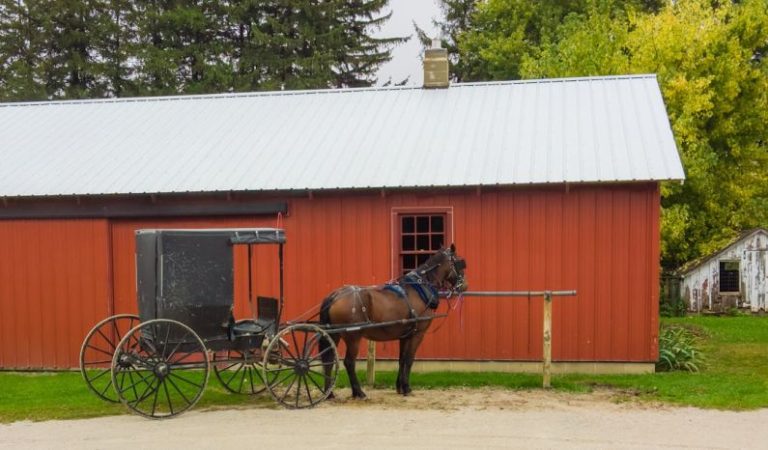

The Importance of Consistency in Horse Training
Horse training requires patience, skill, and most importantly, consistency. Whether you are breaking in a young horse, teaching new skills, or refining existing ones, consistency is key to successful training outcomes. In the world of horse training, consistency is not just a helpful tool, it is a fundamental principle that shapes the relationship between horse and rider. By maintaining a consistent approach in your training methods, you can build trust, establish boundaries, and set clear expectations for your horse.
Establishing Trust and Confidence
Consistency plays a crucial role in building trust and confidence between you and your horse. Horses are intelligent animals that thrive on routine and predictability. When you approach your training sessions with a consistent attitude and methodology, your horse will learn to trust your leadership and feel more secure in their interactions with you. By consistently rewarding positive behavior and correcting negative behavior, you create a clear and fair training environment that allows your horse to thrive.
Setting Clear Expectations
Consistency is essential for setting clear expectations for your horse. Horses are creatures of habit, and they learn through repetition and reinforcement. By consistently asking for the same response to a cue or command, you help your horse understand what is expected of them. This clarity fosters a sense of confidence in your horse, as they can anticipate your requests and respond accordingly. Inconsistent training can confuse your horse and lead to frustration and resistance in their behavior.
Building Muscle Memory
Consistent training helps your horse develop muscle memory, allowing them to perform movements with ease and precision. Just like athletes practice the same skills repeatedly to improve their performance, horses benefit from consistent training to strengthen their muscles and refine their movements. By practicing the same exercises regularly and maintaining a consistent training schedule, you help your horse develop the muscle memory needed to perform tasks efficiently and effectively.
Preventing Behavioral Issues
Inconsistent training can lead to behavioral issues in horses. When your horse is unsure of what is expected of them due to inconsistent cues or corrections, they may become anxious, disobedient, or even aggressive. By maintaining consistency in your training methods, you can prevent behavioral issues from arising and address any issues that do occur more effectively. Consistent training establishes clear boundaries and reinforces appropriate behavior, creating a harmonious relationship between you and your horse.
Developing a Partnership
Consistency in horse training is not just about achieving specific goals; it is about developing a partnership based on trust, respect, and communication. When you are consistent in your interactions with your horse, you create a foundation for a strong and lasting bond. Your horse will learn to rely on you as a consistent and reliable leader, and you will learn to understand and anticipate your horse’s needs and reactions. This partnership is built on a mutual understanding and respect that is nurtured through consistent training practices.
In Conclusion
Consistency is the cornerstone of successful horse training. By maintaining a consistent approach in your training methods, you can establish trust, set clear expectations, build muscle memory, prevent behavioral issues, and develop a strong partnership with your horse. Consistency is not always easy, and it may require patience and dedication, but the results are well worth the effort. When you prioritize consistency in your horse training, you lay the groundwork for a harmonious and fulfilling relationship with your equine partner.