
Preparing Your Horse for Long Distance Rides
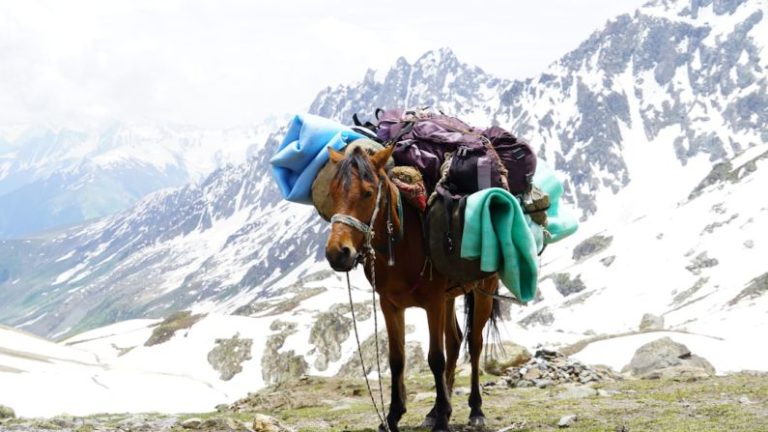
Embarking on long-distance rides with your horse can be an exciting and rewarding experience. However, proper preparation is key to ensuring the safety and well-being of your equine companion. From physical conditioning to mental readiness, there are several important factors to consider when getting your horse ready for the journey ahead.
Understanding Your Horse’s Limits
Before planning a long-distance ride, it is essential to have a clear understanding of your horse’s physical capabilities and limitations. Each horse is unique, and factors such as age, breed, fitness level, and health status can all impact their ability to handle long hours in the saddle. It is important to consult with your veterinarian to ensure that your horse is in good health and fit for the journey.
Gradual Conditioning
Just as with human athletes, horses need time to build up their stamina and endurance for long-distance rides. Gradual conditioning is key to preventing injuries and ensuring that your horse can comfortably handle the demands of the journey. Start with shorter rides and gradually increase the distance and intensity over time. Pay attention to your horse’s response and adjust the training regimen as needed to avoid overexertion.
Proper Nutrition and Hydration
Proper nutrition is crucial for maintaining your horse’s energy levels and overall health during long-distance rides. Ensure that your horse is receiving a balanced diet that meets their energy requirements for the increased physical activity. Adequate hydration is also essential, especially in hot weather or during strenuous exercise. Carry plenty of water and offer frequent opportunities for your horse to drink along the way.
Gear and Tack
Choosing the right gear and tack for your long-distance ride is essential for both your horse’s comfort and safety. Invest in high-quality equipment that fits well and is appropriate for the demands of the journey. Check your saddle fit regularly to prevent discomfort and potential back issues. Properly fitting bridles, bits, and other tack are also important to ensure clear communication between you and your horse.
Mental Preparation
In addition to physical conditioning, mental preparation is also important for long-distance rides. Exposing your horse to a variety of environments, terrain, and obstacles can help build their confidence and resilience on the trail. Practice desensitization exercises to help your horse remain calm and focused in potentially stressful situations. Building a trusting relationship with your horse through consistent training and positive reinforcement can also help improve their mental readiness for long rides.
Monitoring Your Horse’s Health
During long-distance rides, it is crucial to monitor your horse’s health and well-being closely. Pay attention to signs of fatigue, dehydration, lameness, or any other potential issues that may arise during the journey. Carry a basic first aid kit and be prepared to address minor injuries or health concerns as needed. Knowing how to check vital signs such as heart rate, respiration, and hydration levels can help you assess your horse’s condition and take appropriate action if necessary.
Conclusion: Setting Your Horse Up for Success
Preparing your horse for long-distance rides requires careful planning, physical conditioning, proper nutrition, mental preparation, and attentive monitoring of their health and well-being. By taking the time to prepare your horse adequately and ensuring that they are fit and ready for the journey, you can set them up for a safe and enjoyable experience on the trail. Remember to prioritize your horse’s needs and comfort every step of the way, and enjoy the adventure together.