Planning Your First Overnight Horseback Trip
Embarking on your first overnight horseback trip can be an exhilarating and memorable experience. The freedom of exploring the great outdoors on horseback, the thrill of setting up camp under the stars, and the bond formed with your equine companion make it a unique adventure. However, proper planning is essential to ensure a safe and enjoyable journey. From choosing the right gear to preparing your horse and yourself, there are several key considerations to keep in mind. Here is a comprehensive guide to help you plan your first overnight horseback trip.
Selecting the Right Gear
Packing the appropriate gear is crucial for a successful overnight horseback trip. When it comes to selecting equipment, opt for lightweight and durable items that won’t weigh you down. Essentials include a sturdy tent or bivouac shelter, a sleeping bag rated for the expected temperatures, a sleeping pad for added comfort, a portable stove for cooking meals, and a reliable water filtration system. Additionally, pack weather-appropriate clothing, a first-aid kit, a map and compass (or GPS device), a headlamp or flashlight, and a multi-tool for repairs.
Preparing Your Horse
Before embarking on an overnight trip, ensure that your horse is adequately prepared for the journey. Regularly trim their hooves to prevent discomfort and injury during long rides. Pack essential items for your horse, such as a well-fitted saddle, saddlebags for carrying gear, a hoof pick for maintaining hoof health, protective leg wraps or boots, and ample food and water. It’s crucial to acclimate your horse to carrying extra weight and spending extended periods in the saddle to prevent fatigue and soreness.
Planning Your Route
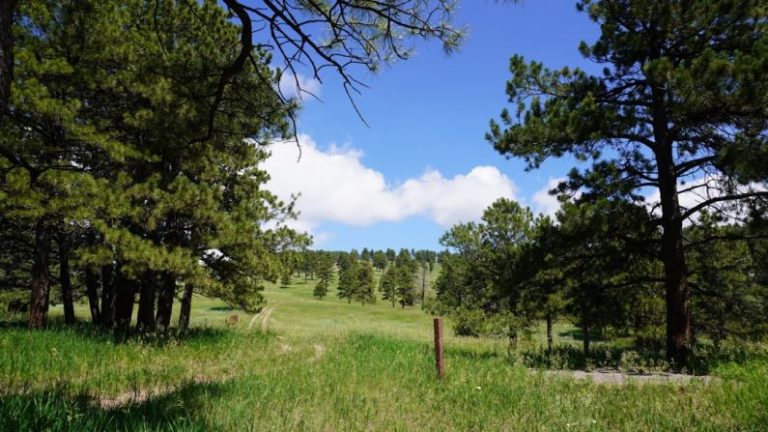
When planning your route for an overnight horseback trip, consider the terrain, distance, and available water sources along the way. Choose trails that are suitable for horseback riding and ensure that overnight camping is permitted in the area. Familiarize yourself with the trail conditions, potential hazards, and any required permits or regulations. Plan your daily mileage based on your horse’s fitness level and experience, allowing for frequent rest breaks and ample time to set up camp before nightfall.
Setting Up Camp
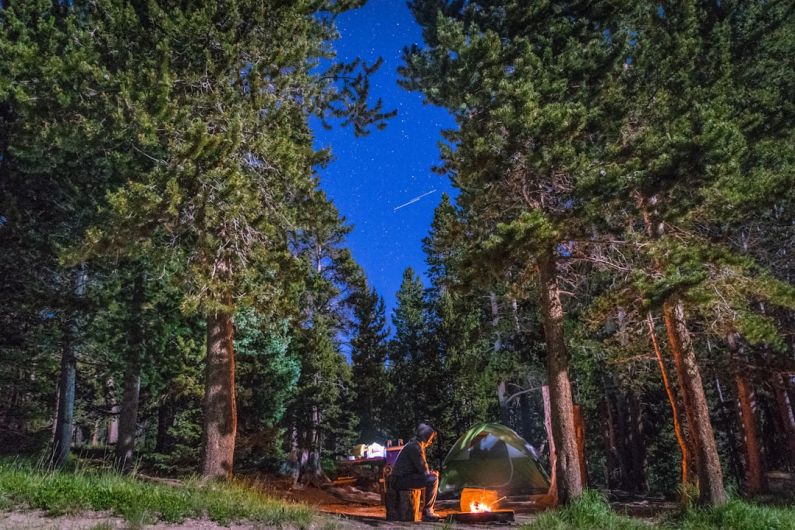
Setting up camp is an essential part of the overnight horseback trip experience. Choose a suitable campsite away from water sources to minimize environmental impact and ensure the safety of your horse. Secure your horse with a highline or portable corral to prevent wandering during the night. Pitch your tent on level ground and secure it properly to withstand potential wind or rain. Establish a designated area for cooking and storing food to prevent wildlife encounters. Finally, practice Leave No Trace principles by packing out all trash and minimizing your impact on the natural surroundings.
Staying Safe on the Trail
Safety should always be a top priority when embarking on an overnight horseback trip. Before setting out, inform someone of your planned route and expected return time. Carry a first-aid kit and know how to handle common injuries or emergencies. Stay alert for signs of fatigue or discomfort in your horse and adjust your pace accordingly. Be mindful of trail conditions, weather changes, and potential wildlife encounters. Always practice good horsemanship and trail etiquette to ensure a harmonious experience for you, your horse, and other trail users.
Enjoying the Journey
While proper planning is essential for a successful overnight horseback trip, don’t forget to savor the journey and immerse yourself in the natural beauty around you. Take time to appreciate the bond you share with your horse and the sense of freedom that comes with exploring the wilderness on horseback. Capture moments through photography or journaling to preserve memories of your adventure. Embrace the challenges and rewards of the journey, and be open to new experiences along the way.
In conclusion, planning your first overnight horseback trip requires careful consideration of gear, horse preparation, route planning, camp setup, safety measures, and the overall enjoyment of the journey. By following these guidelines and being mindful of the unique demands of horseback travel, you can embark on a memorable and fulfilling adventure in the great outdoors. Prepare, pack, and set off on your overnight horseback trip with confidence, knowing that you are ready to experience the wonders of the natural world from the back of a horse.