Navigating Difficult Terrain on Horseback
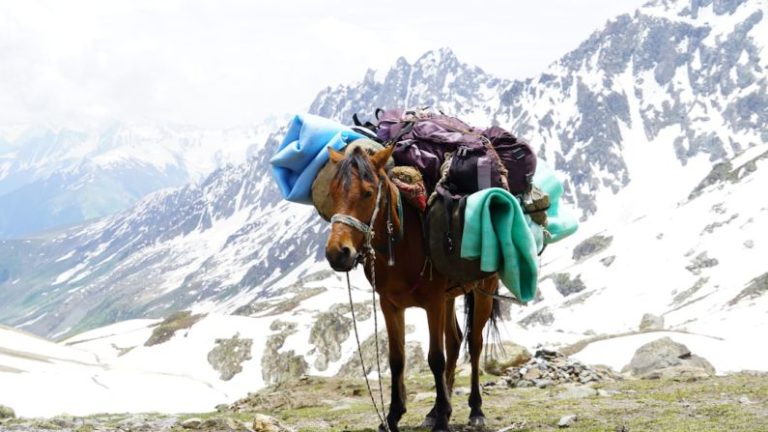
Traversing challenging landscapes on horseback can be a thrilling and rewarding experience for both seasoned riders and newcomers alike. Navigating difficult terrain requires skill, patience, and a strong bond between the rider and their horse. From steep mountain trails to muddy paths, riders must be prepared to face various obstacles while maintaining control and confidence throughout the journey. In this article, we will explore some essential tips and techniques for navigating difficult terrain on horseback.
Choosing the Right Horse and Equipment
Selecting the right horse for navigating difficult terrain is crucial. Look for a horse that is surefooted, responsive, and well-trained. A horse with experience in trail riding or mountainous terrain will be better equipped to handle challenging landscapes. Additionally, ensure that your horse is properly fitted with appropriate tack and equipment, including a well-fitting saddle, bridle, and hoof protection if necessary. Properly fitting equipment will help prevent discomfort and injuries to your horse during the ride.
Maintaining Balance and Control
When riding through difficult terrain, maintaining balance and control is essential for both the rider and the horse. Keep your weight centered and distribute it evenly to help your horse navigate uneven surfaces. Use your legs and seat to communicate with your horse and guide them through obstacles. Avoid gripping the reins too tightly, as this can restrict your horse’s movement and cause tension. Instead, use gentle cues and subtle shifts in your body position to communicate with your horse effectively.
Reading the Terrain
One of the most important skills for navigating difficult terrain on horseback is the ability to read the landscape ahead. Look for potential hazards such as rocks, fallen trees, water crossings, and steep inclines. Plan your route carefully and choose the path that offers the safest and most manageable terrain for you and your horse. Be aware of changes in elevation, footing, and visibility, and adjust your speed and direction accordingly. By staying alert and proactive, you can help prevent accidents and ensure a smoother ride for you and your horse.
Adjusting Your Riding Technique
Riding through difficult terrain requires a different approach than riding in a controlled arena or open field. Be prepared to adjust your riding technique to accommodate the challenges of the landscape. For example, in steep or rocky terrain, lean slightly back to help your horse maintain their balance and prevent stumbling. When crossing water or mud, lift your feet out of the stirrups to avoid getting stuck if your horse slips or loses footing. Practice riding at different speeds and in various gaits to help your horse adjust to changing terrain and maintain a steady pace throughout the ride.
Building Confidence and Trust
Navigating difficult terrain on horseback can be intimidating, especially for less experienced riders. Building confidence and trust between you and your horse is key to overcoming fears and challenges on the trail. Spend time bonding with your horse through groundwork exercises, grooming, and leisurely rides in familiar settings. Practice riding in progressively more challenging terrain to build your skills and trust in your horse’s abilities. Remember to stay calm, patient, and positive, even when faced with obstacles or setbacks. By working together as a team, you and your horse can conquer difficult terrain with confidence and grace.
Embracing the Adventure
Riding through difficult terrain on horseback offers a unique opportunity to connect with nature, challenge yourself, and bond with your horse in a meaningful way. Embrace the adventure and enjoy the journey, taking in the sights, sounds, and sensations of the landscape around you. Stay present and focused on the moment, allowing yourself to fully experience the thrill of navigating challenging terrain on horseback. Remember to respect the environment and wildlife, leave no trace, and follow trail etiquette to ensure a positive and sustainable riding experience for yourself and future generations of riders.
In conclusion, navigating difficult terrain on horseback requires skill, preparation, and a willingness to face challenges head-on. By choosing the right horse, maintaining balance and control, reading the terrain, adjusting your riding technique, building confidence and trust, and embracing the adventure, you can navigate challenging landscapes with confidence and grace. Remember to stay safe, respect the environment, and enjoy the journey as you explore the beauty and excitement of riding through difficult terrain on horseback.