
Horse-drawn Carriages: a Historical Overview
In the annals of transportation history, horse-drawn carriages stand out as an iconic mode of travel that shaped the way people moved around for centuries. From the elegant carriages of the aristocracy to the practical carts used for everyday tasks, these vehicles played a vital role in society before the advent of automobiles. Let’s delve into the rich history of horse-drawn carriages and explore their significance through the ages.
The Origins of Horse-drawn Carriages
The origins of horse-drawn carriages can be traced back to ancient times when humans first domesticated horses for various purposes. Initially used for pulling heavy loads and chariots in warfare, horses eventually found their way into civilian life as a means of transportation. The development of wheeled vehicles, coupled with the strength and speed of horses, led to the creation of the first horse-drawn carriages.
From Roman Chariots to Medieval Coaches
One of the earliest forms of horse-drawn carriages can be seen in the Roman chariots used for racing and ceremonial events. These two-wheeled vehicles were lightweight and designed for speed, showcasing the skill and agility of both horses and drivers. As civilizations evolved, so did the carriages they used. In medieval Europe, coaches emerged as a popular mode of transportation for the nobility, featuring luxurious interiors and elaborate decorations.
The Golden Age of Carriages
The 18th and 19th centuries marked the golden age of horse-drawn carriages, with a wide variety of styles and designs catering to different social classes and purposes. From the elegant landau and victoria carriages favored by the upper class to the sturdy wagons and buggies used by farmers and merchants, carriages became an essential part of daily life. The craftsmanship and artistry that went into building these vehicles reflected the status and taste of their owners.
The Rise of Urban Carriages
As cities grew and urbanization took hold, horse-drawn carriages adapted to the changing landscape. Urban carriages such as hansom cabs and omnibuses became popular modes of transportation in bustling city centers, offering convenience and comfort to passengers navigating crowded streets. The rhythmic clip-clop of horses’ hooves on cobblestone roads became synonymous with city life, creating a distinctive atmosphere that is often romanticized in literature and art.
The Decline of Horse-drawn Carriages
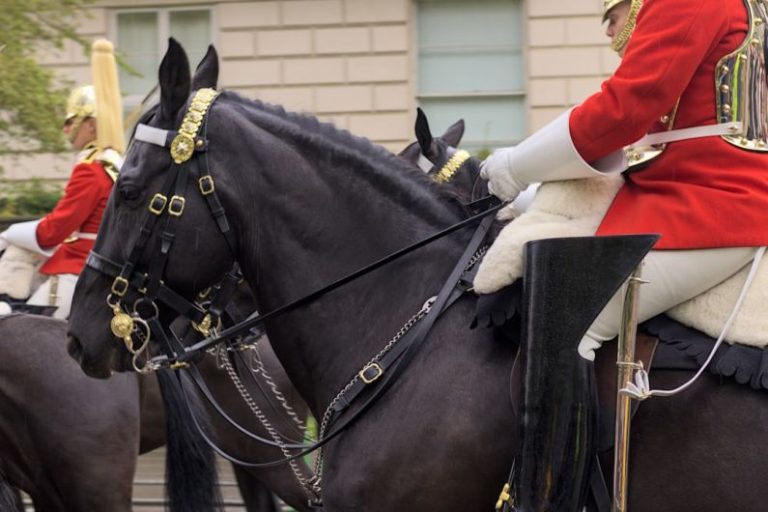
Despite their enduring charm and historical significance, horse-drawn carriages began to decline in the late 19th century with the rise of steam-powered and later motorized vehicles. The invention of the automobile revolutionized transportation, offering greater speed and efficiency than horse-drawn carriages could provide. As cars became more accessible and affordable, the era of horse-drawn carriages gradually came to an end, relegated to museums, tourist attractions, and ceremonial events.
Revival and Preservation
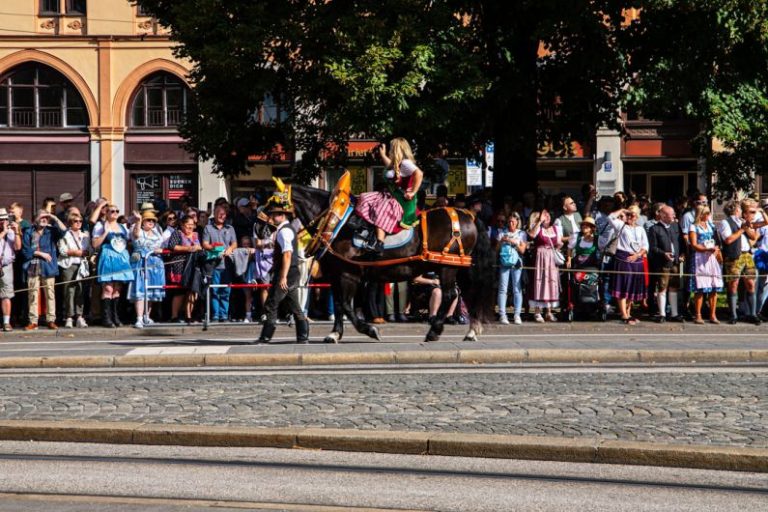
In recent years, there has been a resurgence of interest in horse-drawn carriages as a cultural and historical legacy. Preservation efforts have been made to safeguard antique carriages and educate the public about their role in shaping transportation history. Horse-drawn carriage rides have become a popular tourist attraction in cities around the world, offering visitors a glimpse into the past and a unique way to experience urban landscapes.
The Enduring Legacy of Horse-drawn Carriages
While horse-drawn carriages may no longer be a practical mode of transportation in the modern world, their legacy lives on in the form of cultural heritage and nostalgia. These graceful vehicles continue to captivate our imagination with their timeless elegance and romantic allure. As we look back on the history of horse-drawn carriages, we are reminded of a bygone era when the clip-clop of hooves and the creak of wheels were the sounds that defined the rhythm of daily life.