Creating a Weight Management Plan for Your Horse
Maintaining a healthy weight is crucial for the overall well-being and performance of your horse. Just like humans, horses can face weight-related issues that can impact their health and quality of life. As a responsible horse owner, it is essential to monitor your horse’s weight and body condition regularly to ensure they are in optimal health. In this article, we will discuss how to create a weight management plan for your horse to help them stay healthy and happy.
Assess Your Horse’s Body Condition
The first step in creating a weight management plan for your horse is to assess their body condition. This involves evaluating their overall body shape, muscle tone, and fat distribution. Use a body condition scoring system, such as the Henneke Body Condition Scoring Scale, to determine if your horse is underweight, overweight, or at an ideal weight. A body condition score of 4-6 is generally considered healthy for most horses.
Consult with Your Veterinarian
Before making any significant changes to your horse’s diet or exercise routine, it is crucial to consult with your veterinarian. They can help you develop a customized weight management plan based on your horse’s individual needs and health status. Your vet may also recommend blood tests or other diagnostic procedures to rule out any underlying health issues that could be contributing to your horse’s weight problems.
Design a Balanced Diet
A balanced diet is key to maintaining your horse’s weight at a healthy level. Make sure your horse has access to high-quality forage, such as grass hay or haylage, to meet their fiber requirements. Supplement their diet with a commercial feed that is formulated specifically for your horse’s age, breed, and level of activity. Avoid feeding excessive amounts of high-sugar or high-starch feeds, as these can contribute to weight gain and metabolic issues.
Monitor Food Intake
It is essential to monitor your horse’s food intake carefully to prevent overfeeding or underfeeding. Divide their daily ration into several small meals to promote healthy digestion and prevent obesity. Keep track of how much hay and grain your horse consumes each day and adjust their portions as needed based on their body condition and activity level. Avoid feeding too many treats or table scraps, as these can quickly add extra calories to your horse’s diet.
Implement Regular Exercise
Regular exercise is essential for maintaining your horse’s weight and overall fitness. Aim for a consistent exercise routine that includes a combination of groundwork, ridden work, and turnout. Incorporate a variety of activities, such as lunging, trail riding, and schooling in the arena, to keep your horse engaged and motivated. Consult with a professional trainer or equine fitness expert to develop a tailored exercise program that meets your horse’s needs and abilities.
Monitor Weight and Body Condition Regularly
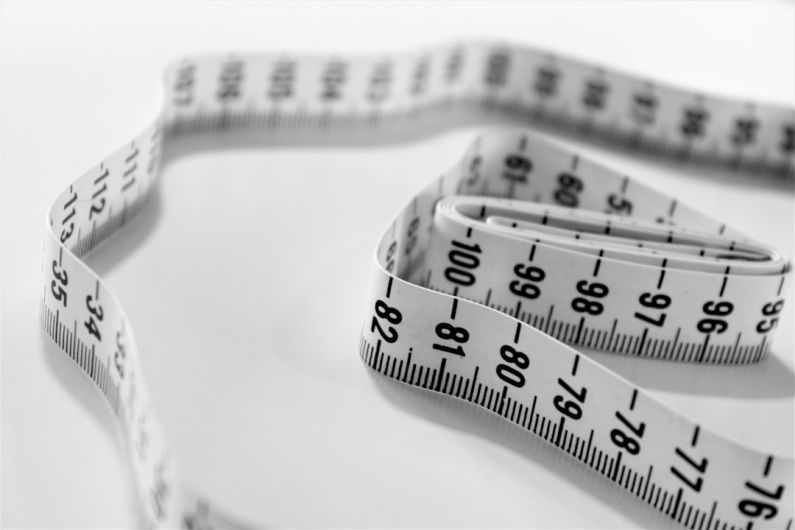
Monitoring your horse’s weight and body condition on a regular basis is key to evaluating the effectiveness of your weight management plan. Use a weight tape or scale to track your horse’s weight changes over time and adjust their diet and exercise regimen accordingly. Pay attention to any signs of weight loss or gain, such as changes in body shape, coat condition, or energy levels, and consult with your veterinarian if you have any concerns.
Conclusion: Ensuring Your Horse’s Health and Happiness
Creating a weight management plan for your horse is a crucial aspect of responsible horse ownership. By assessing your horse’s body condition, consulting with your veterinarian, designing a balanced diet, monitoring food intake, implementing regular exercise, and monitoring weight and body condition regularly, you can help your horse maintain a healthy weight and optimal fitness level. Remember that every horse is unique, so it is essential to tailor your weight management plan to meet your horse’s individual needs and requirements. By prioritizing your horse’s health and well-being, you can ensure they lead a happy and fulfilling life for years to come.