The Cultural Significance of Horses in Art and Literature
Horses have long held a significant place in art and literature, transcending their physical presence to become symbols of power, grace, and freedom. Across various cultures and time periods, these majestic creatures have been depicted in countless paintings, sculptures, poems, and stories, each portrayal shedding light on the cultural significance of horses in human society. From ancient myths to modern masterpieces, the representation of horses in art and literature serves as a reflection of our deep-rooted connection to these animals and the values they embody.
**The Symbolism of Horses in Art**
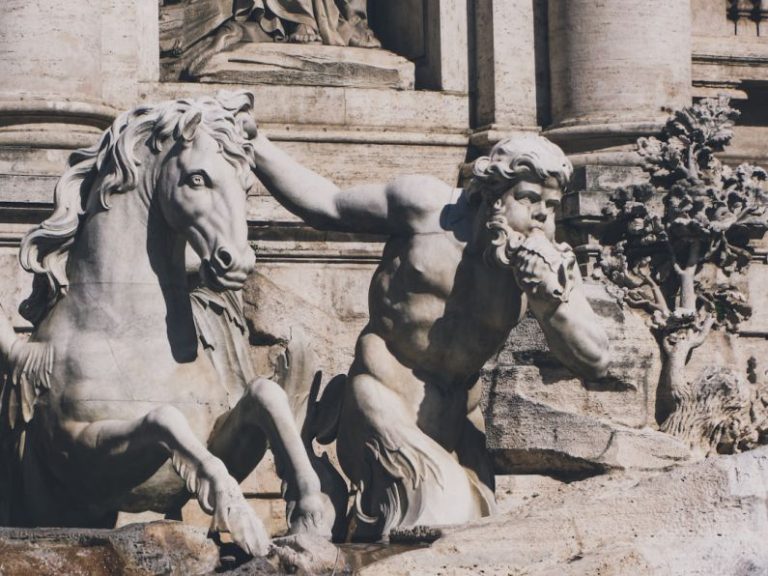
In art, horses have been portrayed in a myriad of ways, each representation carrying its own symbolic meaning. From the spirited horses of ancient Greek pottery to the noble steeds of Renaissance paintings, these animals have been used to convey a wide range of themes and emotions. In many cultures, horses symbolize strength, loyalty, and freedom, making them a popular subject for artists seeking to capture these qualities on canvas or in stone.
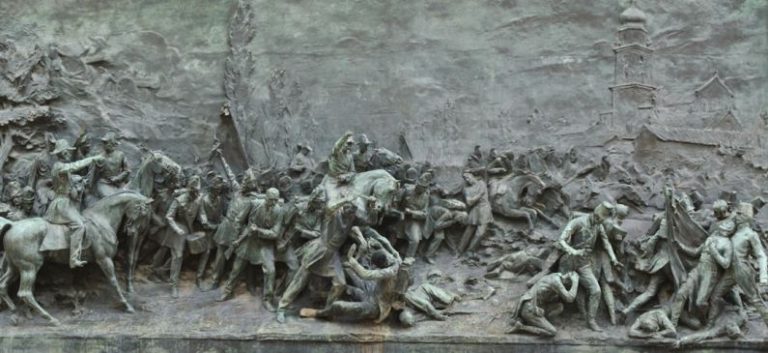
Throughout art history, horses have often been depicted alongside powerful figures such as kings, warriors, and gods, emphasizing their role as symbols of authority and nobility. The iconic image of a horse and rider charging into battle has been a recurring motif in art, representing courage, valor, and the indomitable spirit of both man and beast. Whether galloping across a vast landscape or standing proud and regal, horses in art evoke a sense of awe and admiration, reminding viewers of the beauty and majesty of these magnificent creatures.
**Horses in Literature: From Myth to Metaphor**
In literature, horses have also played a prominent role, appearing in myths, legends, and works of fiction from around the world. In ancient myths and folklore, horses are often portrayed as magical beings or companions to gods and heroes, possessing supernatural abilities and wisdom beyond that of mere mortals. These mythical horses serve as symbols of purity, speed, and power, embodying the aspirations and ideals of the societies that created them.
In more contemporary literature, horses are frequently used as metaphors for freedom, independence, and the untamed spirit of nature. From the wild mustangs of the American West to the sleek racehorses of the English countryside, these animals symbolize a longing for escape from the constraints of civilization and a return to a more primal way of life. In novels, poems, and short stories, horses are often portrayed as symbols of liberation and self-discovery, inspiring characters to break free from societal norms and pursue their own paths.
**The Enduring Appeal of Horses in Art and Literature**
Despite the passage of time and the evolution of artistic styles, the cultural significance of horses in art and literature remains undiminished. Whether depicted in a classical painting, a modern sculpture, or a contemporary novel, horses continue to captivate audiences with their beauty, grace, and symbolism. Through their timeless portrayal in various forms of creative expression, horses serve as a reminder of our shared history, our common values, and our enduring fascination with the natural world.
**In Closing**
In conclusion, the cultural significance of horses in art and literature is a testament to the enduring power of these magnificent creatures to inspire and enchant us. From their symbolic representation in ancient myths to their metaphorical use in contemporary fiction, horses continue to hold a special place in our collective imagination. Through their portrayal in art and literature, horses offer us a glimpse into a world of beauty, strength, and freedom, inviting us to appreciate and celebrate the profound impact they have had on human culture throughout history.