Preserving the History of Native Horse Breeds
Horses have been an integral part of human history for thousands of years, serving as transportation, companions, and even warriors in battles. Over time, various horse breeds have emerged, each with its unique characteristics and traits. Among these breeds are the native horse breeds, which hold a special place in the history and culture of different regions around the world. Preserving these native horse breeds is crucial not only for maintaining biodiversity but also for honoring the heritage and legacy they represent.
The Significance of Native Horse Breeds
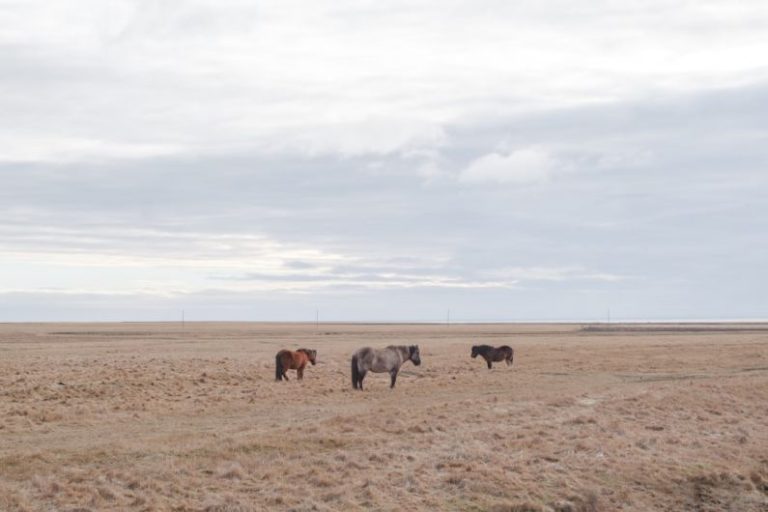
Native horse breeds are those that have evolved in specific regions over centuries, adapting to the local environment, climate, and terrain. These breeds often have distinct physical features, temperaments, and abilities that make them well-suited for the tasks traditionally required in their native lands. For example, the Icelandic horse is known for its sturdy build, thick coat, and sure-footedness, traits that have been essential for surviving the harsh conditions of Iceland.
Preserving native horse breeds is important for safeguarding the genetic diversity within the equine population. As modern breeding practices tend to favor certain popular breeds for specific traits, less common native breeds can become endangered or even extinct. By maintaining these unique genetic lines, we can ensure that valuable traits, such as disease resistance, adaptability, and endurance, are not lost to future generations.
Challenges in Preserving Native Horse Breeds
Despite the significance of native horse breeds, they face numerous challenges that threaten their survival. One of the primary obstacles is the decline in demand for these breeds, as modernization and changing agricultural practices have reduced the need for traditional working horses. Additionally, the limited gene pool of some native breeds due to inbreeding or lack of breeding programs can lead to genetic disorders and health issues.
Another challenge in preserving native horse breeds is the encroachment of invasive species or crossbreeding with non-native breeds, which can dilute the unique characteristics of the native population. As habitats change and human activities impact traditional breeding practices, maintaining the purity of native horse breeds becomes increasingly difficult.
Efforts in Preserving Native Horse Breeds
Despite the challenges, there are various efforts underway to preserve and protect native horse breeds around the world. Conservation organizations, breed associations, and dedicated breeders work tirelessly to raise awareness about the importance of native breeds and implement strategies to ensure their survival.
One common approach is the establishment of gene banks or conservation programs to collect and preserve genetic material from native horse breeds. These efforts help maintain a diverse gene pool that can be used for future breeding programs, ensuring the long-term viability of these breeds.
Additionally, promoting the use of native horse breeds in ecotourism, cultural events, and traditional activities can help raise their profile and generate interest among the public. By showcasing the unique qualities and abilities of native breeds, we can foster appreciation for their heritage and value in modern society.
The Future of Native Horse Breeds
As we look to the future, the preservation of native horse breeds remains a critical priority for the equine industry and conservation efforts. By recognizing the historical significance, genetic value, and cultural importance of these breeds, we can work together to ensure their continued existence for generations to come.
In conclusion, the history of native horse breeds is a testament to the enduring bond between humans and horses, shaped by centuries of coevolution and shared experiences. Preserving these breeds is not only a matter of conservation but also a way of honoring the legacy and heritage they embody. Through collaboration, education, and advocacy, we can safeguard the diversity and resilience of native horse breeds for the benefit of all.