The Impact of Horses on Exploration and Trade
Exploration and trade have been crucial components of human civilization for centuries, shaping societies, economies, and cultures around the world. One of the key factors that significantly impacted both exploration and trade was the domestication and utilization of horses. These majestic animals played a pivotal role in expanding trade routes, facilitating communication between distant regions, and enabling the exploration of new territories. From the Silk Road in ancient times to the Pony Express in the American West, horses have left an indelible mark on the history of exploration and trade.
**The Role of Horses in Exploration**
Horses have been integral to exploration throughout history, offering riders speed, endurance, and mobility across different terrains. The ability of horses to cover vast distances quickly made them invaluable companions for explorers venturing into uncharted territories. In ancient times, nomadic tribes used horses to traverse deserts, mountains, and grasslands, allowing them to establish trade routes and connect with other civilizations.
The Mongol Empire, under the leadership of Genghis Khan, harnessed the power of horses to conquer vast territories in Asia and Europe during the 13th century. The Mongol warriors’ expertise in mounted combat and their swift cavalry units enabled them to outmaneuver their enemies and expand their empire across continents. Without the speed and agility of horses, the Mongol Empire’s rapid conquests would not have been possible, transforming the geopolitical landscape of Eurasia.
**Horses and the Development of Trade Routes**
The domestication of horses revolutionized trade by facilitating the exchange of goods and ideas between distant regions. In ancient times, the Silk Road emerged as a vital trade route connecting the East and West, enabling the exchange of silk, spices, and other valuable commodities. Traders and merchants relied on horses to transport goods across vast expanses of land, fostering cultural exchange and economic growth along the Silk Road.
During the Age of Exploration in the 15th and 16th centuries, European explorers used horses to establish trade networks with indigenous populations in the Americas. Horses played a crucial role in the Columbian Exchange, the transfer of plants, animals, and diseases between the Old World and the New World. The introduction of horses to the Americas transformed the way indigenous societies conducted trade and warfare, leading to the rise of new economic systems and power dynamics.
**Horses in Modern Trade and Commerce**
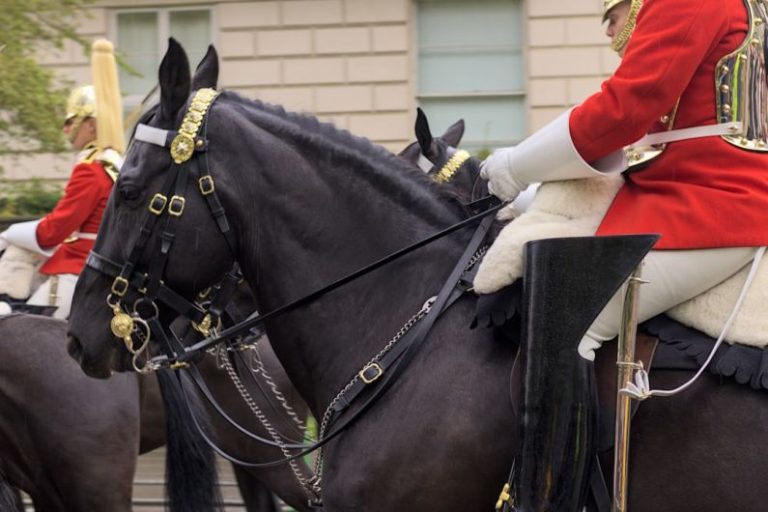
Even in the modern era, horses continue to play a significant role in trade and commerce, particularly in industries such as agriculture, transportation, and tourism. In rural areas, horses are used for plowing fields, hauling goods, and transporting agricultural products to markets. In urban areas, horse-drawn carriages offer tourists a nostalgic glimpse into the past, highlighting the enduring appeal of equine transportation in a fast-paced world.
The equestrian industry, encompassing horse racing, breeding, and recreational riding, generates billions of dollars in revenue worldwide, contributing to local economies and supporting livelihoods. Events such as the Kentucky Derby and the Royal Ascot showcase the cultural significance of horses in society, attracting spectators and participants from around the globe. The bond between humans and horses transcends mere utility, embodying a deep-rooted connection forged through centuries of shared history and mutual dependence.
**The Enduring Legacy of Horses**
In conclusion, the impact of horses on exploration and trade cannot be overstated. These magnificent animals have shaped the course of history, enabling civilizations to expand, trade, and communicate across vast distances. From ancient empires to modern industries, horses have remained steadfast companions in the journey of human progress. As we reflect on the enduring legacy of horses, we are reminded of their profound influence on the development of exploration, trade, and cultural exchange throughout the ages.