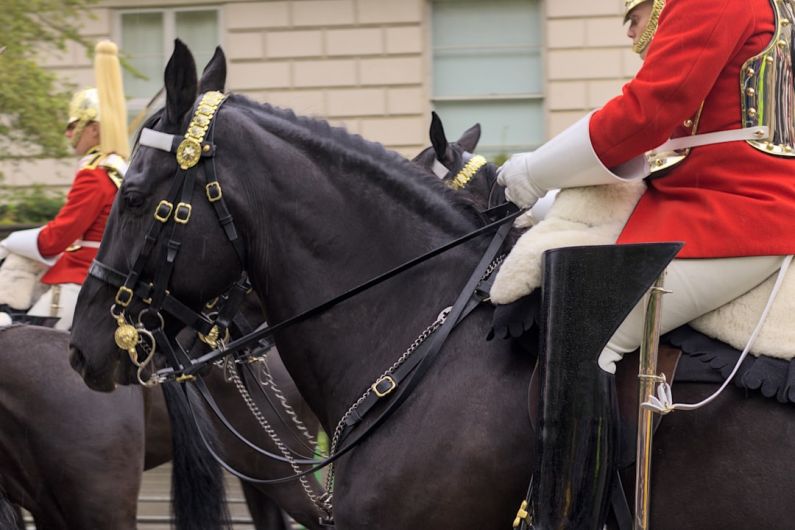
Exploring the Legacy of Cavalry Horses
The Legacy of Cavalry Horses
Cavalry horses have played a significant role throughout history, with their legacy leaving a lasting impact on military tactics, culture, and even societal perceptions. These noble creatures have been at the forefront of countless battles, serving alongside soldiers and becoming an integral part of military operations. From their unwavering loyalty to their remarkable agility and strength, cavalry horses have left a profound mark on the world of warfare and beyond.
A Noble Tradition
The tradition of cavalry horses dates back centuries, with evidence of their use in warfare dating as far back as ancient civilizations such as the Greeks and Romans. These majestic animals were prized for their speed, endurance, and ability to navigate challenging terrain, making them invaluable assets on the battlefield. As technology advanced, cavalry horses continued to play a crucial role in military campaigns, with their riders relying on them for transportation, communication, and even survival.
The Bond Between Rider and Horse
One of the most remarkable aspects of cavalry horses is the bond they form with their riders. This relationship goes beyond mere obedience and training; it is a deep connection built on trust, mutual respect, and shared experiences. Cavalry soldiers often developed a profound attachment to their horses, recognizing them as more than just tools of war but as companions and confidants in the face of danger and uncertainty.
The Impact on Military Tactics
The presence of cavalry horses on the battlefield had a profound impact on military tactics and strategies. Their speed and mobility allowed armies to launch swift and decisive attacks, outmaneuvering their opponents and gaining a strategic advantage. Cavalry units were often used for reconnaissance missions, flank attacks, and pursuit of retreating enemies, showcasing the versatility and effectiveness of these remarkable animals in combat.
Cultural Significance
Beyond their military contributions, cavalry horses have also held a significant cultural significance throughout history. In many societies, these animals were revered for their strength, grace, and beauty, often symbolizing power, honor, and nobility. The image of a mounted warrior charging into battle on horseback has become an enduring symbol of courage and heroism, immortalized in art, literature, and popular culture.
The Mythos of the War Horse
The war horse has captured the imagination of storytellers and historians alike, becoming a symbol of courage, loyalty, and sacrifice. Tales of legendary cavalry horses, such as Bucephalus, the steed of Alexander the Great, and Marengo, the faithful companion of Napoleon Bonaparte, have become legendary in their own right, immortalizing these noble creatures in the annals of history.
Honoring Their Legacy
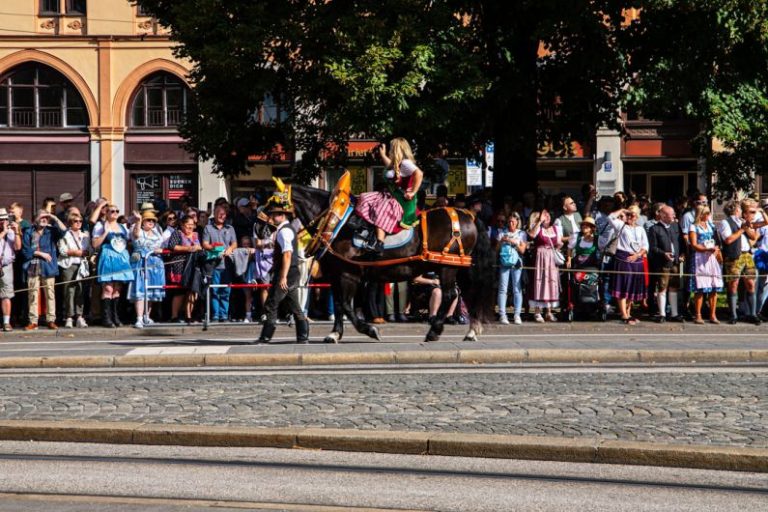
Today, the legacy of cavalry horses lives on in various forms, from ceremonial events and reenactments to equestrian sports and therapeutic riding programs. These activities serve as a tribute to the enduring spirit of these remarkable animals and the profound impact they have had on human history. By honoring their legacy, we ensure that the contributions of cavalry horses are never forgotten and that their memory continues to inspire future generations.
In Conclusion
The legacy of cavalry horses is a testament to the enduring bond between humans and animals, the power of teamwork, and the impact of tradition on society. From ancient battlefields to modern-day ceremonies, these noble creatures have left an indelible mark on the world, shaping the course of history and capturing the hearts of all who have witnessed their grace and strength in action. As we continue to explore the legacy of cavalry horses, may we remember their sacrifices, celebrate their achievements, and uphold their legacy for generations to come.