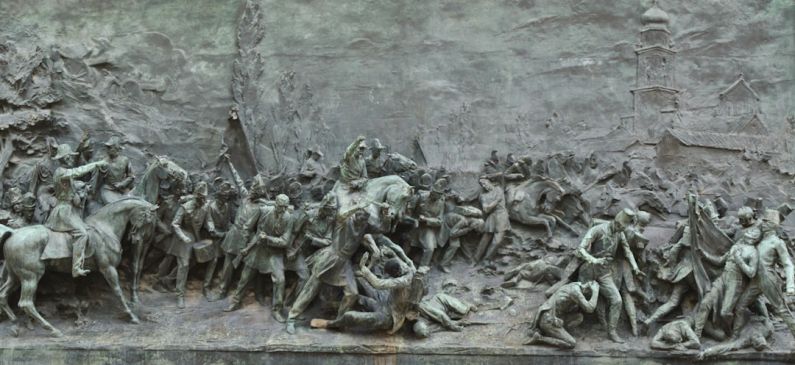
The Role of Horses in Famous Historical Battles
Throughout history, horses have played a crucial role in warfare, serving as powerful assets on the battlefield that have influenced the outcomes of many famous historical battles. From providing speed and mobility to carrying soldiers into combat, these majestic animals have left their mark on some of the most significant conflicts in human history. Let’s delve into the role of horses in famous battles and explore how they have shaped the course of warfare.
**The Battle of Gaugamela**
One of the most famous battles where horses played a pivotal role was the Battle of Gaugamela in 331 BC between the forces of Alexander the Great and the Persian Empire led by King Darius III. Alexander’s army, renowned for its skilled use of cavalry, relied heavily on the speed and maneuverability of their horses to outmaneuver the larger Persian army. The Macedonian cavalry, including the elite Companion Cavalry, played a crucial role in securing Alexander’s victory by delivering decisive blows to the flanks of the Persian army. The sight of Alexander and his cavalry charging into battle on horseback struck fear into the hearts of their enemies and solidified their reputation as a formidable force.
**The Battle of Tours**
In 732 AD, the Battle of Tours marked a turning point in European history as Frankish forces under Charles Martel faced off against the Umayyad Caliphate’s army led by Abdul Rahman Al Ghafiqi. Horses played a crucial role in this battle, where the Frankish cavalry, including heavily armored knights, played a pivotal role in repelling the Muslim invaders. The speed and shock value of the Frankish cavalry charges helped to break the morale of the Umayyad forces, leading to a decisive victory that halted the Muslim advance into Western Europe. The Battle of Tours showcased the strategic importance of cavalry in medieval warfare and highlighted the role of horses in shaping the course of history.
**The Battle of Waterloo**
Fast forward to 1815, and we find horses once again playing a critical role in the Battle of Waterloo, where the forces of the Duke of Wellington faced off against Napoleon Bonaparte’s French army. The cavalry charges on both sides were instrumental in determining the outcome of the battle, with the British heavy cavalry famously charging and routing the French infantry squares. Horses provided the necessary speed and shock power to break through enemy lines and disrupt their formations, turning the tide of battle in favor of the allied forces. The Battle of Waterloo demonstrated the enduring importance of cavalry in early modern warfare and highlighted the strategic value of mounted troops on the battlefield.
**The Impact of Horses on Warfare**
Overall, the role of horses in famous historical battles cannot be overstated. These magnificent animals have served as symbols of power, speed, and strength on the battlefield, influencing the tactics and strategies of military commanders throughout history. From ancient times to the modern era, horses have been indispensable assets in warfare, providing mobility, shock power, and intimidation to armies around the world. Their contribution to famous battles like Gaugamela, Tours, and Waterloo has left an indelible mark on the annals of military history, showcasing the enduring legacy of these noble creatures in shaping the course of human conflict.
**In Retrospect**
In looking back at the pivotal battles where horses played a crucial role, it becomes evident that these animals have been more than mere beasts of burden on the battlefield. Their speed, agility, and strength have turned the tide of history in favor of those who knew how to harness their power effectively. As we reflect on the role of horses in famous historical battles, we gain a deeper appreciation for the symbiotic relationship between humans and these majestic creatures, whose legacy lives on in the annals of warfare.