Conservation Breeding: Protecting Rare Horse Breeds
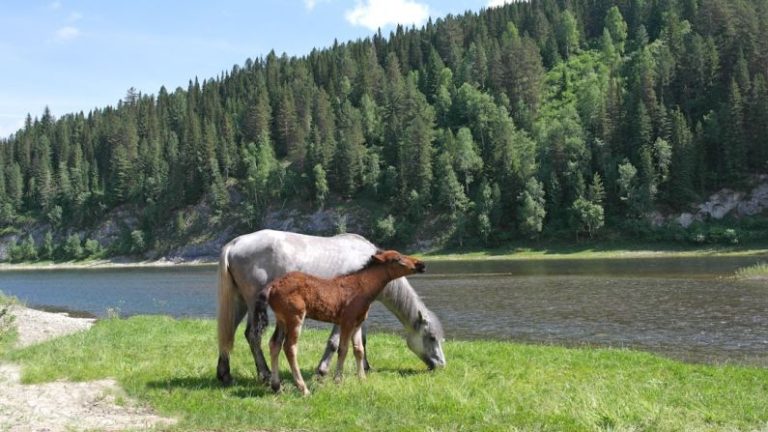
The preservation of rare horse breeds is a critical mission in the world of animal conservation. These unique equine species often face the threat of extinction due to various factors such as habitat loss, inbreeding, and declining populations. Conservation breeding programs play a vital role in safeguarding these rare horse breeds and ensuring their survival for future generations to appreciate and enjoy.
**Preserving Genetic Diversity**
One of the primary objectives of conservation breeding is to maintain and enhance the genetic diversity of rare horse breeds. Genetic diversity is essential for the long-term sustainability and health of a population. Inbreeding, which occurs when closely related individuals breed, can lead to genetic disorders and reduced fertility. By carefully managing breeding pairs and avoiding close relatives, conservation breeding programs help prevent these detrimental effects and promote a healthy gene pool.
**Preventing Extinction**
Conservation breeding is instrumental in preventing the extinction of rare horse breeds. As populations of these unique equines dwindle, the risk of losing an entire breed becomes a real concern. Through strategic breeding plans and collaboration with zoos, wildlife parks, and private breeders, conservation programs can increase the population size of these rare horse breeds and establish stable populations that can thrive in the long run.
**Reintroduction into the Wild**
In some cases, conservation breeding programs aim to reintroduce rare horse breeds into their natural habitats. This process, known as reintroduction, requires careful planning and monitoring to ensure the successful integration of captive-bred individuals into the wild population. By preparing individuals for life in the wild and addressing potential challenges such as predation and competition for resources, conservation breeding programs contribute to the restoration of these endangered species in their native environments.
**Promoting Sustainable Tourism**
Rare horse breeds often have unique cultural and historical significance, making them valuable assets for sustainable tourism initiatives. Conservation breeding programs can help raise awareness about these special equines and attract visitors interested in learning more about their heritage and conservation efforts. By promoting eco-tourism activities centered around rare horse breeds, conservation programs can generate revenue to support their ongoing conservation efforts and contribute to the local economy.
**Educational Opportunities**
Conservation breeding programs offer valuable educational opportunities for the public to learn about the importance of preserving rare horse breeds. Through guided tours, workshops, and outreach events, conservation programs engage with schools, universities, and community groups to raise awareness about the challenges facing these endangered equines and the efforts being made to protect them. By fostering a deeper appreciation for rare horse breeds, conservation breeding programs inspire future generations to become advocates for wildlife conservation.
**Sustainable Management Practices**
Effective conservation breeding relies on sustainable management practices that prioritize the welfare and long-term viability of rare horse breeds. This includes ensuring proper nutrition, veterinary care, and socialization for captive individuals, as well as monitoring population trends and genetic diversity over time. By implementing sound management practices, conservation breeding programs can enhance the success of their efforts and contribute to the overall conservation of rare horse breeds.
**In Conclusion: A Brighter Future for Rare Horse Breeds**
Conservation breeding plays a crucial role in protecting rare horse breeds and preserving their genetic heritage for generations to come. By focusing on genetic diversity, preventing extinction, reintroducing individuals into the wild, promoting sustainable tourism, offering educational opportunities, and implementing sustainable management practices, conservation programs contribute to the conservation of these unique equines. Through collaborative efforts and dedicated conservation initiatives, rare horse breeds can look forward to a brighter and more sustainable future in the wild and captivity alike.