
Understanding Horse Genetics for Better Breeding
Horse breeding is an art that has been practiced for centuries, aiming to produce the finest equine specimens with desirable traits. Understanding horse genetics is crucial for breeders looking to make informed decisions and achieve successful breeding outcomes. By delving into the genetic makeup of horses, breeders can enhance the quality of their stock and work towards specific breeding goals.
Genetic Basics of Horses
At the core of horse breeding is an understanding of genetics. Genes are the fundamental units of heredity that determine an organism’s traits. Horses, like all living organisms, inherit genes from their parents. Each horse has a set of paired chromosomes, with one chromosome in each pair inherited from the sire and the other from the dam. These chromosomes contain genes that carry the instructions for various traits, such as coat color, conformation, and performance abilities.
Inheritance Patterns
When breeding horses, it’s essential to understand the inheritance patterns of different traits. Some traits are controlled by a single gene, while others are influenced by multiple genes. Inheritance can be either dominant or recessive. Dominant traits will be expressed even if the horse carries only one copy of the gene, while recessive traits require two copies of the gene for expression.
Coat Color Genetics
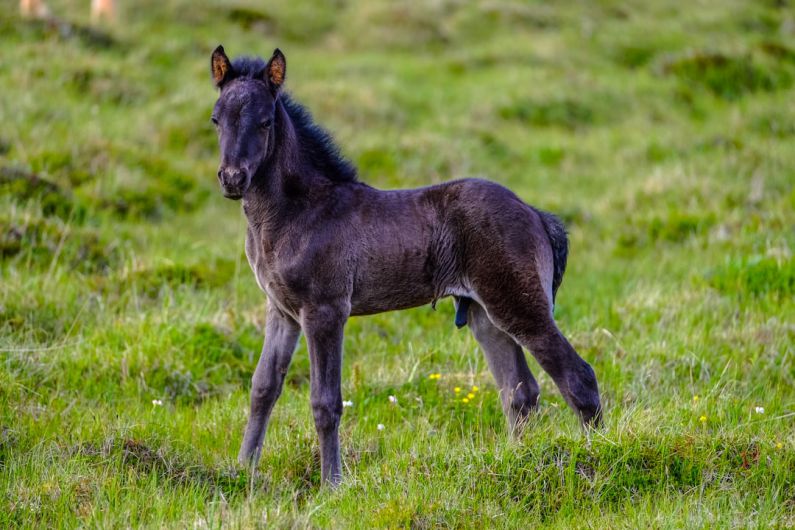
One of the most fascinating aspects of horse genetics is coat color inheritance. Coat colors in horses are determined by several genes that interact to produce a wide range of colors and patterns. The basic coat colors include bay, black, chestnut, and gray, with various modifiers and dilutions creating an array of coat variations.
Genes responsible for coat color include the Extension gene (E) for black and red pigment distribution, the Agouti gene (A) for controlling the distribution of black pigment, and the Cream gene (C) for diluting the base coat color. Additionally, genes such as the Dun gene (D) and the Champagne gene (CH) can produce unique coat patterns and colors.
Understanding coat color genetics can help breeders predict the potential color outcomes of mating specific horses. By selecting horses with desired coat colors and patterns, breeders can produce offspring that meet their aesthetic preferences and market demands.
Conformation and Performance Genetics
Apart from coat color, conformation and performance traits are also crucial considerations in horse breeding. Conformation traits, such as body structure, musculature, and overall build, are influenced by a combination of genetic factors. Breeding for good conformation can lead to offspring with improved athleticism, soundness, and overall beauty.
Performance abilities, such as speed, endurance, and jumping talent, are also strongly influenced by genetics. Genes related to muscle fiber type, cardiovascular capacity, and skeletal structure play a role in determining a horse’s performance potential. By understanding the genetic basis of performance traits, breeders can make informed decisions to enhance the athletic abilities of their breeding stock.
Breeding Strategies
Incorporating genetic knowledge into breeding strategies can help breeders achieve their desired breeding goals. Selective breeding, outcrossing, linebreeding, and inbreeding are common breeding methods that manipulate genetic diversity to produce desired traits in offspring.
Selective breeding involves choosing parent horses with specific traits to pass on to their offspring. Outcrossing introduces genetic diversity by mating unrelated individuals, while linebreeding aims to concentrate desirable genes from a common ancestor. Inbreeding involves mating closely related individuals to intensify the expression of desirable traits, but it also increases the risk of genetic defects.
Conclusion: Enhancing Breeding Success through Genetics
Understanding horse genetics is essential for breeders looking to improve their breeding programs and produce superior quality horses. By delving into the genetic makeup of horses and applying this knowledge to breeding practices, breeders can enhance coat colors, conformation traits, and performance abilities in their stock. By incorporating genetic principles into breeding strategies, breeders can work towards achieving their breeding goals and contributing to the advancement of equine genetics and horsemanship.