Hydration and Health: Tips for Riders
Staying properly hydrated is crucial for riders to maintain optimal health and performance. Whether you’re a cyclist, equestrian, or motorcyclist, ensuring you have enough fluids in your system can make a significant difference in how you feel and how well you ride. In this article, we will explore the importance of hydration for riders and provide valuable tips to help you stay adequately hydrated during your rides.
### The Importance of Hydration for Riders
Hydration plays a vital role in the overall well-being of riders. Dehydration can lead to a range of issues, including decreased physical performance, muscle cramps, and heat exhaustion. When you’re out riding, especially in hot weather or engaging in intense physical activity, your body loses fluids through sweat. It’s essential to replenish these lost fluids to avoid dehydration.
### Tips for Staying Hydrated
1. **Pre-Hydrate:** Before hitting the road or the trail, make sure you start your ride well-hydrated. Drink a glass of water or a sports drink around 30 minutes before you start to ensure your body is adequately hydrated from the beginning.
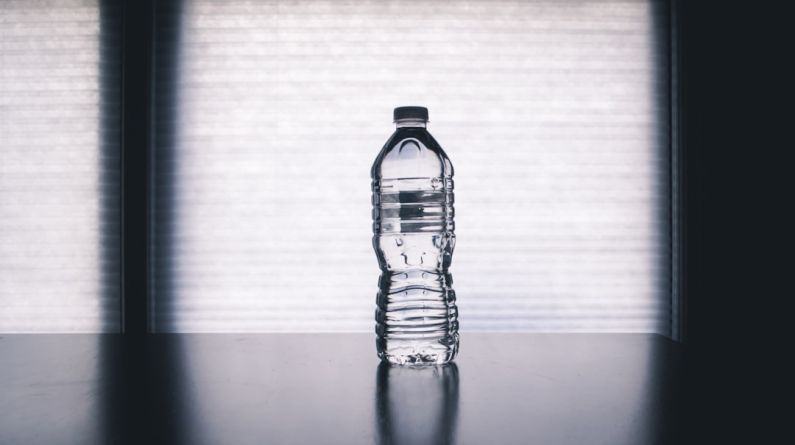
2. **Carry Fluids:** Always carry water or a sports drink with you during your rides. Investing in a hydration pack or a water bottle cage for your bike can make it convenient to access fluids while on the go.
3. **Sip Regularly:** Instead of waiting until you feel thirsty, sip water at regular intervals throughout your ride. This will help maintain a steady level of hydration and prevent dehydration.
4. **Electrolytes:** When you sweat, you lose not just water but also essential electrolytes like sodium and potassium. Consider replenishing these electrolytes by choosing a sports drink that contains electrolytes or by snacking on foods like bananas or nuts.
5. **Monitor Your Urine:** Pay attention to the color of your urine. Clear or pale yellow urine indicates good hydration, while dark yellow urine may signal dehydration.
6. **Post-Ride Hydration:** After your ride, continue to drink fluids to rehydrate your body. Water is essential, but you can also include beverages like coconut water or electrolyte-rich drinks to replenish lost nutrients.
### Hydration and Performance
Proper hydration is directly linked to performance, both physically and mentally. Dehydration can lead to fatigue, decreased focus, and reduced endurance, all of which can impact your riding experience. By staying hydrated, you can maintain your energy levels, improve your concentration, and enhance your overall performance on the road or the track.
### Hydration Mistakes to Avoid
1. **Relying Only on Thirst:** Thirst is not always a reliable indicator of hydration levels. By the time you feel thirsty, you may already be dehydrated. Make a conscious effort to drink fluids regularly, even if you don’t feel thirsty.
2. **Overhydrating:** While it’s important to stay hydrated, overhydrating can also be harmful. Drinking excessive amounts of water without replacing electrolytes can lead to a condition called hyponatremia, which can be dangerous.
### Replenish, Rehydrate, Ride On!
In conclusion, staying hydrated is a non-negotiable aspect of riding for riders of all disciplines. By following the tips outlined in this article, you can ensure that you maintain optimal hydration levels before, during, and after your rides. Remember, hydration is not just about drinking water; it’s about fueling your body with the fluids and nutrients it needs to perform at its best. So, replenish, rehydrate, and ride on with confidence!