Preventing Injuries: Warm-up and Cool-down Routines for Riders
Equestrian sports require strength, flexibility, and coordination, making them exhilarating yet physically demanding activities. Whether you’re a seasoned rider or just starting out, preventing injuries should be a top priority. One of the most effective ways to reduce the risk of injuries is by incorporating proper warm-up and cool-down routines into your riding regimen. By taking the time to prepare your body before mounting your horse and allowing it to recover afterwards, you can enhance your performance, prevent muscle soreness, and lower the likelihood of accidents. In this article, we will explore the importance of warm-up and cool-down routines for riders and provide practical tips on how to incorporate them into your riding sessions.
### Warm-up: Priming Your Body for Riding Success
Before you saddle up, it’s crucial to warm up your body to prepare it for the physical demands of riding. A proper warm-up routine increases blood flow to your muscles, improves flexibility, and enhances your overall performance. Here are some key elements to include in your warm-up routine:
### Dynamic Stretching: Loosen Up Those Muscles
Dynamic stretching involves moving your body through a range of motion to improve flexibility and increase blood flow to your muscles. Incorporate dynamic stretches such as leg swings, arm circles, and hip rotations to target key muscle groups used in riding, such as the quadriceps, hamstrings, and hip flexors. Dynamic stretching helps prevent muscle stiffness and reduces the risk of strains and sprains during your ride.
### Cardiovascular Exercise: Get Your Heart Pumping
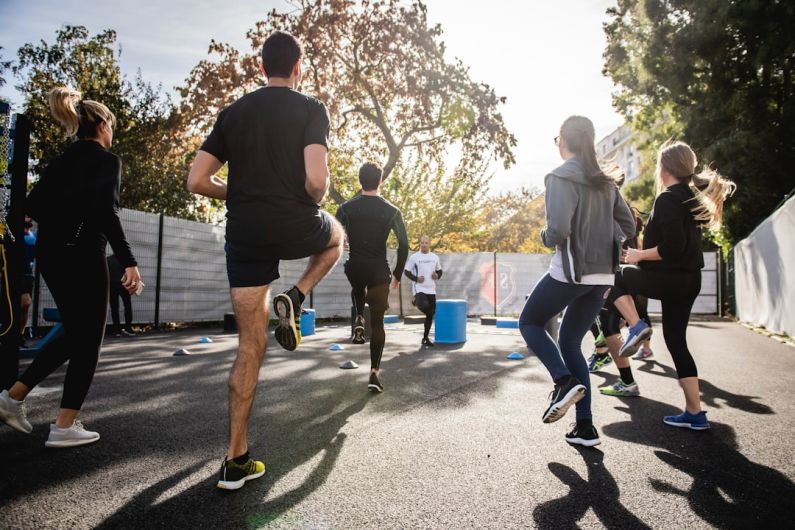
Engaging in light cardiovascular exercise before riding, such as jogging or brisk walking, helps elevate your heart rate and warm up your body. This not only improves circulation but also boosts your energy levels and mental focus, setting the stage for a productive ride. Aim for 5-10 minutes of cardio to get your blood flowing and your muscles primed for action.
### Riding-Specific Drills: Practice Makes Perfect
Incorporating riding-specific drills into your warm-up routine can help you focus on key skills and techniques while gradually acclimating your body to the movements required during your ride. Spend time practicing transitions, circles, and lateral movements to improve your coordination and balance. By rehearsing these maneuvers before your ride, you can enhance your riding performance and reduce the risk of errors caused by cold muscles.
### Cool-down: Recovery and Rejuvenation After Your Ride
After an exhilarating ride, it’s essential to allow your body to cool down and recover properly. A thorough cool-down routine helps prevent muscle soreness, promotes flexibility, and supports the healing process. Here are some strategies to include in your post-ride cool-down:
### Static Stretching: Lengthen and Relax Your Muscles
Static stretching involves holding stretches for a prolonged period to improve muscle flexibility and reduce tension. Focus on stretching major muscle groups such as the calves, hamstrings, and lower back to alleviate muscle tightness and enhance recovery. Hold each stretch for 20-30 seconds and remember to breathe deeply to release tension and promote relaxation.
### Gentle Massage: Soothe Tired Muscles
A gentle massage after your ride can help alleviate muscle soreness and promote circulation, facilitating the removal of metabolic waste products from your muscles. Use your hands or a foam roller to target tight areas and knots, applying gentle pressure to release tension and improve muscle recovery. Massage can also help prevent adhesions and scar tissue formation, keeping your muscles supple and resilient.
### Hydration and Nutrition: Replenish Your Body’s Resources
After a demanding ride, it’s crucial to hydrate and refuel your body to support recovery and replenish depleted energy stores. Drink plenty of water to stay hydrated and replace lost electrolytes, especially on hot days or during intense workouts. Consuming a balanced snack or meal rich in protein and carbohydrates within 30 minutes of your ride can help repair muscle tissue and restore glycogen levels, promoting faster recovery and muscle growth.
### In Summary: Prioritize Your Body’s Well-Being
In conclusion, integrating warm-up and cool-down routines into your riding sessions is essential for preventing injuries, enhancing performance, and promoting overall well-being. By incorporating dynamic stretching, cardiovascular exercise, riding-specific drills, static stretching, gentle massage, and proper hydration and nutrition into your routine, you can support your body’s needs before and after riding. Remember that taking care of your body is key to enjoying a safe, rewarding, and long-lasting riding experience. Make warm-up and cool-down routines a non-negotiable part of your riding regimen and reap the benefits of a healthier, stronger, and more resilient body in the saddle.