
The Importance of Electrolytes for Horses
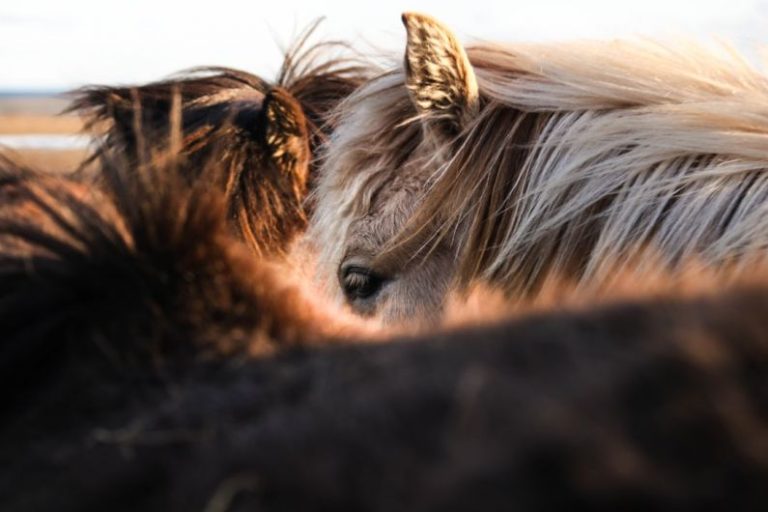
As equestrians, we are well aware of the importance of proper nutrition and hydration for our equine companions. Among the key components necessary for a horse’s well-being are electrolytes. These essential minerals play a crucial role in maintaining the balance of fluids within the body, regulating nerve and muscle function, and supporting overall health. In this article, we will delve into the significance of electrolytes for horses and why ensuring they receive an adequate supply is vital for their performance and overall health.
**What are Electrolytes?**
Electrolytes are minerals that carry an electric charge when dissolved in body fluids such as blood and sweat. The primary electrolytes for horses include sodium, potassium, chloride, calcium, and magnesium. These minerals are essential for various physiological functions in the body, including maintaining proper hydration levels, regulating muscle contractions, and supporting nerve function.
**Hydration and Electrolyte Balance**
Proper hydration is critical for horses, particularly during strenuous exercise or in hot weather. When horses sweat, they lose not only water but also essential electrolytes. Electrolytes help to regulate the balance of fluids in the body, ensuring that cells are properly hydrated and functioning optimally. Without an adequate supply of electrolytes, horses may experience dehydration, muscle cramping, fatigue, and decreased performance.
**Muscle Function and Performance**
Electrolytes play a crucial role in muscle function and performance in horses. Potassium, for example, is essential for muscle contractions, while calcium is necessary for muscle relaxation. During exercise, horses rely on efficient muscle function to perform at their best. An imbalance of electrolytes can lead to muscle cramps, stiffness, and decreased athletic performance.
**Nerve Function and Coordination**
In addition to muscle function, electrolytes are also vital for nerve function and coordination in horses. Sodium and potassium, in particular, play a significant role in nerve impulse transmission. Proper nerve function is essential for coordination, balance, and overall performance in horses. An imbalance of electrolytes can disrupt nerve signals, leading to poor coordination and decreased performance.
**Recovery and Repair**
After strenuous exercise or competition, horses need adequate electrolytes to support recovery and repair processes. Electrolytes help to replenish lost minerals, restore hydration levels, and support muscle recovery. Ensuring that horses have access to electrolytes post-exercise can help prevent dehydration, muscle cramping, and fatigue, allowing them to recover more quickly and perform at their best in subsequent activities.
**Signs of Electrolyte Imbalance**
It is essential for horse owners and caretakers to be aware of the signs of electrolyte imbalance in horses. Some common symptoms include dehydration, muscle weakness, fatigue, poor performance, trembling, and abnormal heart rhythm. If you notice any of these signs in your horse, it is crucial to consult with a veterinarian to address the issue promptly.
**Ensuring Adequate Electrolyte Intake**
To ensure that your horse receives an adequate supply of electrolytes, consider offering electrolyte supplements, particularly during periods of increased sweating or intense exercise. Electrolyte supplements come in various forms, including powders, pastes, and liquids, and can be easily added to your horse’s feed or water. Additionally, providing access to a salt block can help ensure that your horse has a constant supply of sodium and chloride, two essential electrolytes.
**Conclusion: Supporting Your Horse’s Health and Performance**
In conclusion, electrolytes play a crucial role in maintaining hydration, supporting muscle function, regulating nerve impulses, and promoting overall health in horses. By ensuring that your equine companion receives an adequate supply of electrolytes, you can help support their health, performance, and well-being. Paying attention to signs of electrolyte imbalance and providing electrolyte supplements as needed can help keep your horse healthy, happy, and performing at their best. Remember, a well-balanced diet and proper hydration are key components of caring for your horse and ensuring they thrive in all their endeavors.