The Complete Guide to Equine Nutrition
Proper nutrition is key to maintaining the health and well-being of horses. Equine nutrition is a complex subject that requires careful consideration to ensure that horses receive all the essential nutrients they need to thrive. From forage to supplements, understanding the basics of equine nutrition is essential for every horse owner. In this complete guide to equine nutrition, we will explore the key components of a horse’s diet and provide valuable insights into how to create a balanced feeding plan for your equine companion.
The Importance of Forage
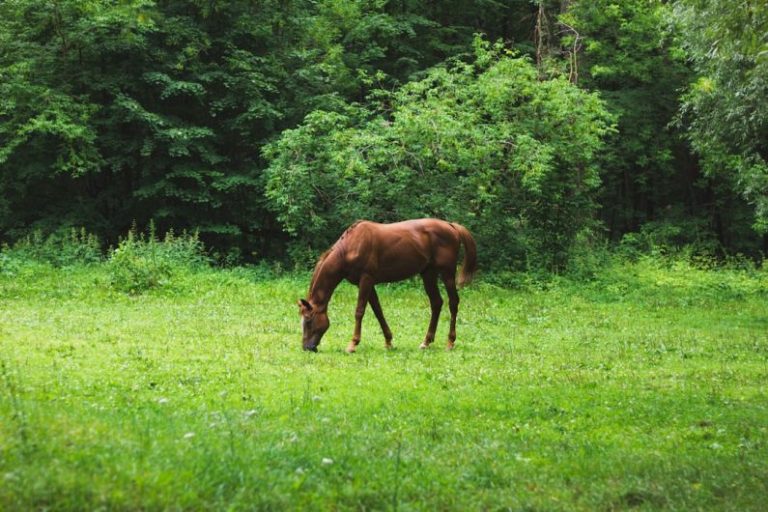
Forage is the foundation of a horse’s diet and should make up the majority of their daily intake. Horses are natural grazers, and their digestive systems are designed to process high-fiber forages such as grass and hay. Providing horses with access to quality forage is essential for maintaining proper digestive health and preventing issues such as colic and ulcers. When selecting forage for your horse, opt for high-quality grass hay or alfalfa hay, and ensure that it is free from mold, dust, and weeds.
Understanding the Role of Concentrates
In addition to forage, concentrates such as grains and commercial feeds can be fed to provide horses with additional energy and nutrients. Concentrates should be fed in moderation and tailored to meet the specific needs of each horse based on factors such as age, activity level, and overall health. When selecting concentrates for your horse, choose products that are formulated specifically for horses and avoid feeding excessive amounts, as this can lead to digestive issues and other health problems.
Balancing the Diet with Supplements
While forage and concentrates form the basis of a horse’s diet, supplements can be used to fill in any nutritional gaps and support overall health. Common supplements for horses include vitamins, minerals, and joint support products. Before adding any supplements to your horse’s diet, consult with a veterinarian or equine nutritionist to ensure that they are appropriate for your horse’s specific needs. It is important to remember that supplements should not be used as a substitute for a balanced diet but rather as a complement to ensure that your horse is receiving all the essential nutrients they require.
Hydration is Key
Water is a crucial component of a horse’s diet and plays a vital role in digestion, temperature regulation, and overall health. Horses should have access to clean, fresh water at all times, and water buckets should be cleaned regularly to prevent the growth of harmful bacteria. Dehydration can have serious consequences for horses, so it is important to monitor your horse’s water intake and provide additional water during hot weather or periods of increased activity.
Factors to Consider When Feeding Horses
When creating a feeding plan for your horse, there are several factors to consider to ensure that their nutritional needs are being met. These factors include the horse’s age, breed, weight, activity level, and any specific health conditions they may have. It is important to monitor your horse’s body condition regularly and adjust their diet as needed to maintain a healthy weight and overall condition.
Feeding Practices to Avoid
While providing proper nutrition is essential for maintaining the health of your horse, there are certain feeding practices that should be avoided. These include feeding moldy or spoiled hay, overfeeding concentrates, and sudden changes in diet. It is important to introduce new feeds gradually and monitor your horse for any signs of digestive upset or other issues.
Incorporating regular veterinary check-ups and consultations with an equine nutritionist into your horse care routine can help ensure that your horse is receiving the optimal nutrition they need to thrive. By following the guidelines outlined in this complete guide to equine nutrition, you can provide your horse with a balanced diet that supports their overall health and well-being.
Maintaining a healthy and balanced diet is essential for the well-being of horses. By understanding the key components of equine nutrition and following best practices for feeding and supplementation, you can ensure that your horse receives the essential nutrients they need to thrive. Remember, each horse is unique, and their nutritional needs may vary, so it is important to tailor their feeding plan to meet their individual requirements. With proper nutrition and care, your horse can enjoy a long and healthy life.