Enhancing Rider-horse Communication
Riding horses is a beautiful and dynamic activity that requires a strong bond and effective communication between the rider and the horse. Enhancing rider-horse communication is essential for achieving harmony, precision, and understanding in every ride. By improving communication skills, riders can establish a deeper connection with their horses, leading to better performance, trust, and overall enjoyment. In this article, we will explore some practical tips and techniques to enhance rider-horse communication.
Building Trust and Connection
Trust is the foundation of any successful relationship, including the one between a rider and their horse. Establishing trust with your horse is crucial for effective communication. Spend time bonding with your horse on the ground through grooming, feeding, and simply being present. This will help build a strong connection based on mutual respect and understanding. When your horse trusts you, they will be more willing to listen and respond to your cues while riding.
Body Language and Energy
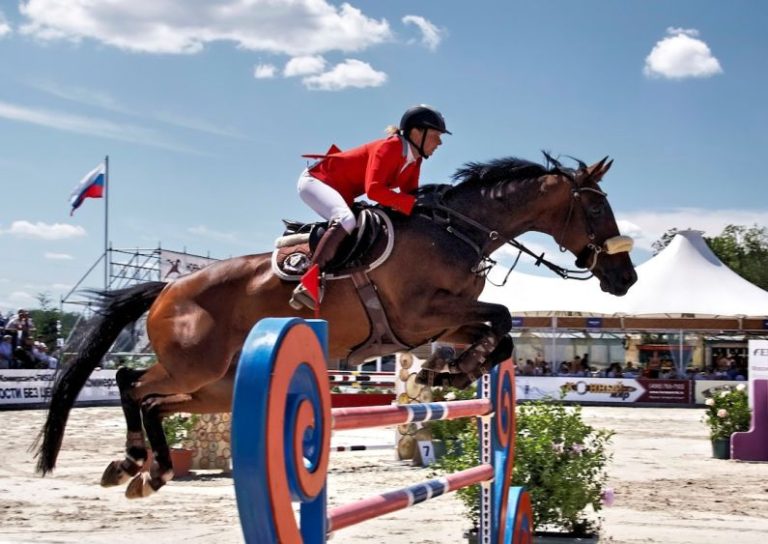
Horses are highly attuned to body language and energy. As a rider, it is essential to be aware of your own body language and the signals you are sending to your horse. Maintain a relaxed and confident posture in the saddle, as tension or nervousness can be easily transferred to your horse. Use subtle cues such as weight shifts, leg pressure, and rein aids to communicate with your horse effectively. Remember that horses respond best to clear, consistent signals, so be intentional with your movements and cues.
Listening to Your Horse
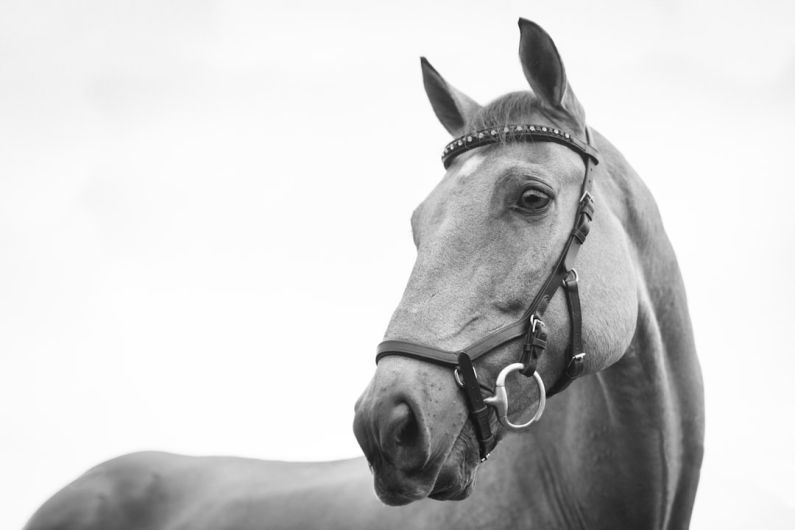
Effective communication is a two-way street. While it is important to communicate clearly with your horse, it is equally important to listen to their responses and feedback. Pay attention to your horse’s body language, facial expressions, and movements to understand their thoughts and feelings. If your horse seems tense or resistant, take a moment to reassess your communication and adjust your approach accordingly. By listening to your horse, you can better understand their needs and preferences, leading to a more harmonious partnership.
Developing a Language of Cues
Every rider-horse pair develops their unique language of cues based on their individual preferences and communication style. Experiment with different cues and signals to find what works best for you and your horse. Consistency is key when developing a language of cues, as horses thrive on predictability and routine. Practice regularly and be patient with your horse as you both learn to understand and respond to each other’s cues. Over time, you will develop a seamless and intuitive communication system that enhances your riding experience.
Using Positive Reinforcement
Positive reinforcement is a powerful tool for enhancing rider-horse communication. Reward your horse for good behavior and responses to your cues, whether it be through verbal praise, a pat on the neck, or a treat. Positive reinforcement helps reinforce desired behaviors and encourages your horse to continue responding to your cues effectively. By creating a positive and rewarding environment, you can strengthen your bond with your horse and improve communication in the long run.
Conclusion: Strengthening Your Connection
Enhancing rider-horse communication is a continuous process that requires patience, dedication, and a willingness to learn and grow together. By focusing on building trust, improving body language, listening to your horse, developing a language of cues, and using positive reinforcement, you can strengthen your connection with your horse and enhance your riding experience. Remember that effective communication is the key to a successful partnership with your horse, leading to greater harmony, performance, and enjoyment in every ride.