Achieving Balance and Harmony between Horse and Rider
Building a Strong Connection: Achieving Balance and Harmony between Horse and Rider
Establishing a deep connection between a horse and its rider is a journey that requires patience, dedication, and mutual understanding. Achieving balance and harmony in this partnership is essential not only for the success of both the rider and the horse but also for their overall well-being. In this article, we will explore the key aspects that contribute to fostering a strong bond between horse and rider, ultimately leading to a harmonious and balanced relationship.
Understanding the Horse’s Nature
Horses are incredibly intuitive animals that are highly attuned to the emotions and energy of those around them. To establish a connection with your horse, it is crucial to understand and respect their natural instincts and behaviors. By taking the time to observe and learn about your horse’s unique personality, preferences, and body language, you can better communicate with them and build trust and mutual respect.
Effective Communication through Body Language
Communication is the cornerstone of any successful relationship, and the bond between a horse and rider is no exception. While verbal cues are essential, the majority of communication between a horse and rider occurs through subtle body language cues. By developing a keen awareness of your own body language and learning to read your horse’s responses, you can create a more harmonious and effective means of communication.
Establishing Trust through Consistency and Patience
Trust is the foundation of any strong relationship, and it is especially crucial in the partnership between a horse and rider. Building trust takes time, consistency, and patience. By setting clear boundaries, being consistent in your actions, and remaining patient and calm in your interactions with your horse, you can earn their trust and respect. Trust is a two-way street, and by demonstrating reliability and understanding, you can establish a solid foundation for a harmonious relationship.
Creating a Balanced Partnership
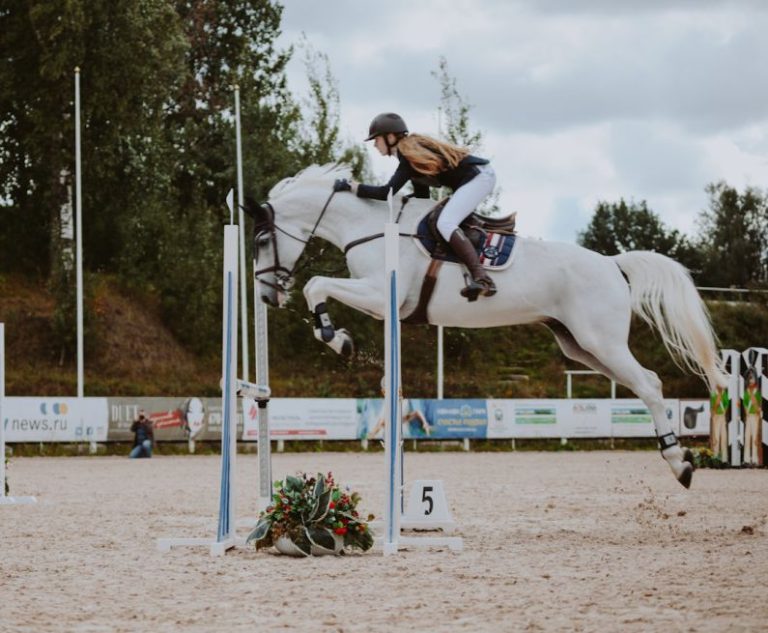
Achieving balance in the horse-rider relationship involves more than just physical coordination. It also requires emotional and mental harmony between both partners. A balanced partnership is one in which the needs and well-being of both the horse and rider are taken into consideration. By prioritizing the physical and emotional health of your horse, listening to their cues, and respecting their boundaries, you can create a more balanced and fulfilling partnership.
Developing Mutual Respect and Empathy
Respect and empathy are essential components of any successful relationship, including the bond between a horse and rider. By treating your horse with kindness, patience, and understanding, you can foster a sense of mutual respect and empathy. Understanding your horse’s perspective, acknowledging their feelings, and responding to their needs with compassion and care can strengthen the connection between you and your horse.
Embracing the Journey: The Path to Lifelong Learning
Achieving balance and harmony between horse and rider is an ongoing journey that requires continuous learning and growth. Every interaction with your horse presents an opportunity to deepen your connection, refine your communication skills, and further develop your partnership. Embracing the journey of building a strong bond with your horse allows for personal growth, self-discovery, and a deeper understanding of yourself and your equine companion.
Conclusion: Nurturing a Lifelong Partnership
In conclusion, achieving balance and harmony between horse and rider is a multifaceted process that requires dedication, patience, and understanding. By prioritizing effective communication, mutual respect, empathy, and trust, you can foster a strong and harmonious partnership with your horse. Remember that the bond between a horse and rider is a unique and special relationship that requires ongoing care and attention. Embrace the journey of building a lifelong partnership with your equine companion, and enjoy the countless rewards that come with a balanced and harmonious connection.