
Developing a Soft Hand: Communication through Reins
Communication is a key component of any successful relationship, and this holds true even in the partnership between a horse and rider. When it comes to horsemanship, the way a rider handles the reins can make a world of difference in how effectively they communicate with their equine companion. Developing a soft hand in handling the reins is not just about physical control; it is about building a connection and understanding with the horse through subtle cues and signals. In this article, we will explore the importance of developing a soft hand in communication through reins and how it can enhance the rider-horse relationship.
Understanding the Role of Reins
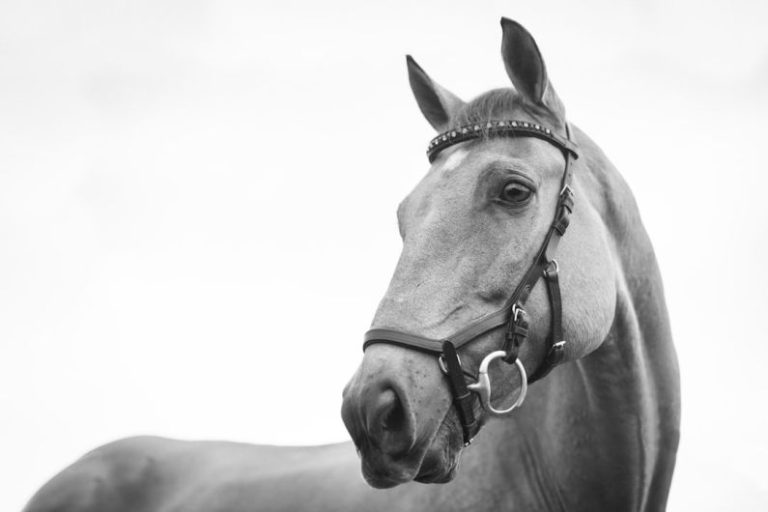
The reins serve as a vital link between the rider’s hands and the horse’s mouth. Through the reins, the rider is able to communicate their intentions to the horse, guiding them in the desired direction, controlling their speed, and communicating cues for various movements. However, it is essential to understand that the reins should not be used as a means of forceful control. Instead, they should be seen as a tool for communication, allowing the rider to convey their commands in a clear and gentle manner.
Developing a Soft Hand
A soft hand in riding refers to the ability to maintain a light and sensitive connection with the horse’s mouth through the reins. It involves using minimal pressure and being responsive to the horse’s feedback. Developing a soft hand requires practice, patience, and a deep understanding of the horse’s responses to different rein aids.
One of the key aspects of developing a soft hand is learning to feel the horse’s mouth and understanding how they respond to the pressure applied through the reins. By being attuned to the horse’s reactions, the rider can adjust their aids accordingly, providing clear and consistent cues without causing discomfort or confusion to the horse.
Benefits of a Soft Hand
A soft hand in handling the reins offers numerous benefits for both the rider and the horse. Firstly, it allows for more precise communication between the two, enabling the rider to convey their instructions with subtlety and finesse. This leads to smoother transitions, better balance, and improved overall performance in riding.
Moreover, a soft hand promotes trust and partnership between the rider and the horse. By using gentle and considerate aids, the rider demonstrates respect for the horse’s sensitivity and intelligence, fostering a positive relationship built on mutual understanding and cooperation.
Practical Tips for Developing a Soft Hand
To develop a soft hand in handling the reins, riders can practice the following tips:
1. Maintain a light but consistent contact with the horse’s mouth, avoiding sudden or harsh movements.
2. Focus on using the weight of the reins rather than relying on pulling or tugging.
3. Be mindful of your hand position and avoid gripping the reins tightly.
4. Practice giving and releasing aids in a gradual and controlled manner.
5. Listen to your horse’s responses and adjust your aids accordingly.
By incorporating these tips into their riding practice, riders can gradually refine their communication skills through the reins and develop a soft and effective hand in guiding their horses.
Building a Strong Connection
Developing a soft hand in communication through reins is not just about mastering technical skills; it is about building a strong connection and partnership with the horse based on trust, respect, and empathy. When riders approach their horsemanship with sensitivity and understanding, they not only enhance their riding abilities but also deepen their bond with their equine partners.
In conclusion, developing a soft hand in communication through reins is a fundamental aspect of effective horsemanship. By cultivating a light and responsive connection with the horse through the reins, riders can enhance their communication skills, improve their riding performance, and strengthen their relationship with their horses. Through patience, practice, and a genuine appreciation for the horse’s perspective, riders can truly master the art of communication through reins and become skilled partners in the equestrian world.