Creating a Safe and Stimulating Environment for Horses
Horses are magnificent creatures that require a safe and stimulating environment to thrive physically and mentally. Creating such an environment is essential for their well-being and overall happiness. To achieve this, horse owners and caretakers must consider various factors that contribute to the health and happiness of these majestic animals. From proper shelter and nutrition to mental stimulation and social interaction, every detail plays a crucial role in providing horses with the environment they need to lead fulfilling lives.
**Understanding the Needs of Horses**
Before delving into the specifics of creating a safe and stimulating environment for horses, it is essential to understand their basic needs. Horses are social animals that thrive in herds, and they require ample space to move around freely. Additionally, access to fresh water, quality forage, and appropriate shelter are vital for their physical health. Mental stimulation is also crucial for horses, as they are intelligent animals that need activities to keep their minds engaged and prevent boredom.
**Proper Shelter**
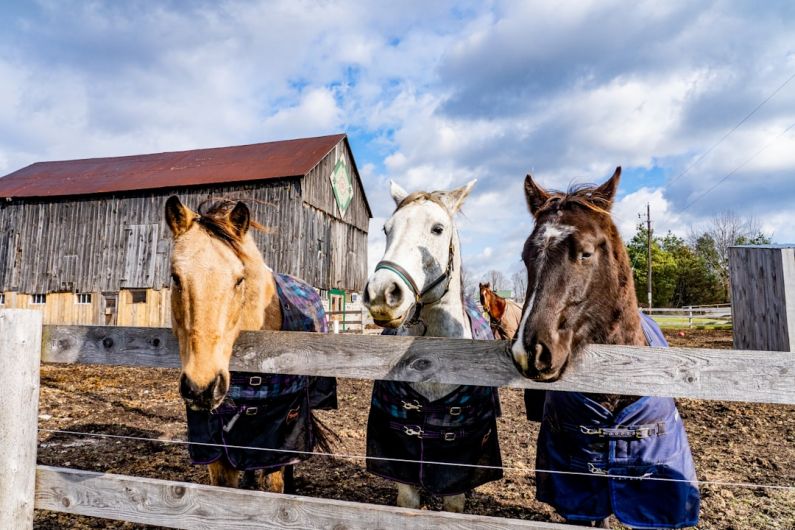
One of the fundamental components of creating a safe environment for horses is providing them with proper shelter. Shelter not only protects horses from the elements but also gives them a place to rest and seek refuge when needed. Whether it is a well-ventilated barn, a run-in shed, or a combination of both, the shelter should be spacious enough to accommodate all the horses comfortably. Adequate ventilation and natural light are also essential to ensure a healthy living environment for the horses.
**Nutritious Diet**
Nutrition plays a significant role in the overall health and well-being of horses. Providing horses with a balanced diet that meets their nutritional requirements is crucial for maintaining their health and vitality. High-quality forage, supplemented with grains and minerals as needed, should form the basis of their diet. Access to fresh water at all times is also essential to prevent dehydration and aid in digestion. Working closely with a veterinarian or equine nutritionist can help ensure that horses are receiving the proper nutrients they need to thrive.
**Pasture and Turnout**
Allowing horses access to pasture and turnout is essential for their physical and mental well-being. Grazing in a pasture not only provides horses with the opportunity to exercise and move around freely but also allows them to exhibit natural behaviors such as socializing and foraging. Rotating pastures and providing ample space for turnout can help prevent overgrazing and maintain the health of the land. Additionally, turnout time gives horses a chance to relax and unwind, reducing stress and promoting overall happiness.
**Exercise and Mental Stimulation**
Regular exercise is essential for keeping horses healthy and fit. Whether it is riding, lunging, or engaging in groundwork exercises, providing horses with physical activity helps maintain their muscle tone and cardiovascular health. In addition to physical exercise, mental stimulation is equally important for horses. Activities such as trail rides, obstacle courses, and interactive toys can help keep horses mentally engaged and prevent boredom. Engaging with horses through training and bonding activities also strengthens the human-horse relationship and promotes trust and respect.
**Social Interaction**
Horses are social animals that thrive on interaction with other horses as well as humans. Providing opportunities for socialization is crucial for their emotional well-being. Keeping horses in a herd or arranging playdates with other equines can help satisfy their social needs and prevent feelings of loneliness or isolation. Spending quality time with horses, grooming, and bonding with them also fosters a sense of trust and companionship that is essential for their happiness.
**Ensuring Safety**
Creating a safe environment for horses also involves taking measures to ensure their safety at all times. Regularly inspecting fencing, removing potential hazards from pastures and barns, and keeping equipment in good working condition are essential steps in preventing accidents and injuries. Providing horses with a safe and secure environment gives them the confidence to explore and interact with their surroundings without fear of harm.
**Promoting a Healthy Environment**
In conclusion, creating a safe and stimulating environment for horses is essential for their overall well-being and happiness. By understanding their needs and providing them with proper shelter, nutrition, exercise, mental stimulation, and social interaction, horse owners can ensure that their equine companions lead fulfilling lives. Taking the time to create a safe and enriching environment for horses not only benefits the animals themselves but also strengthens the bond between humans and horses, creating a harmonious and positive relationship based on trust and mutual respect.